
Why only 10% of B2B brand activity overlaps with demand gen — and what that means for 2026
Read our takeaways from The Drum’s B2B World Fest to discover what’s shaping the industry for the year ahead.
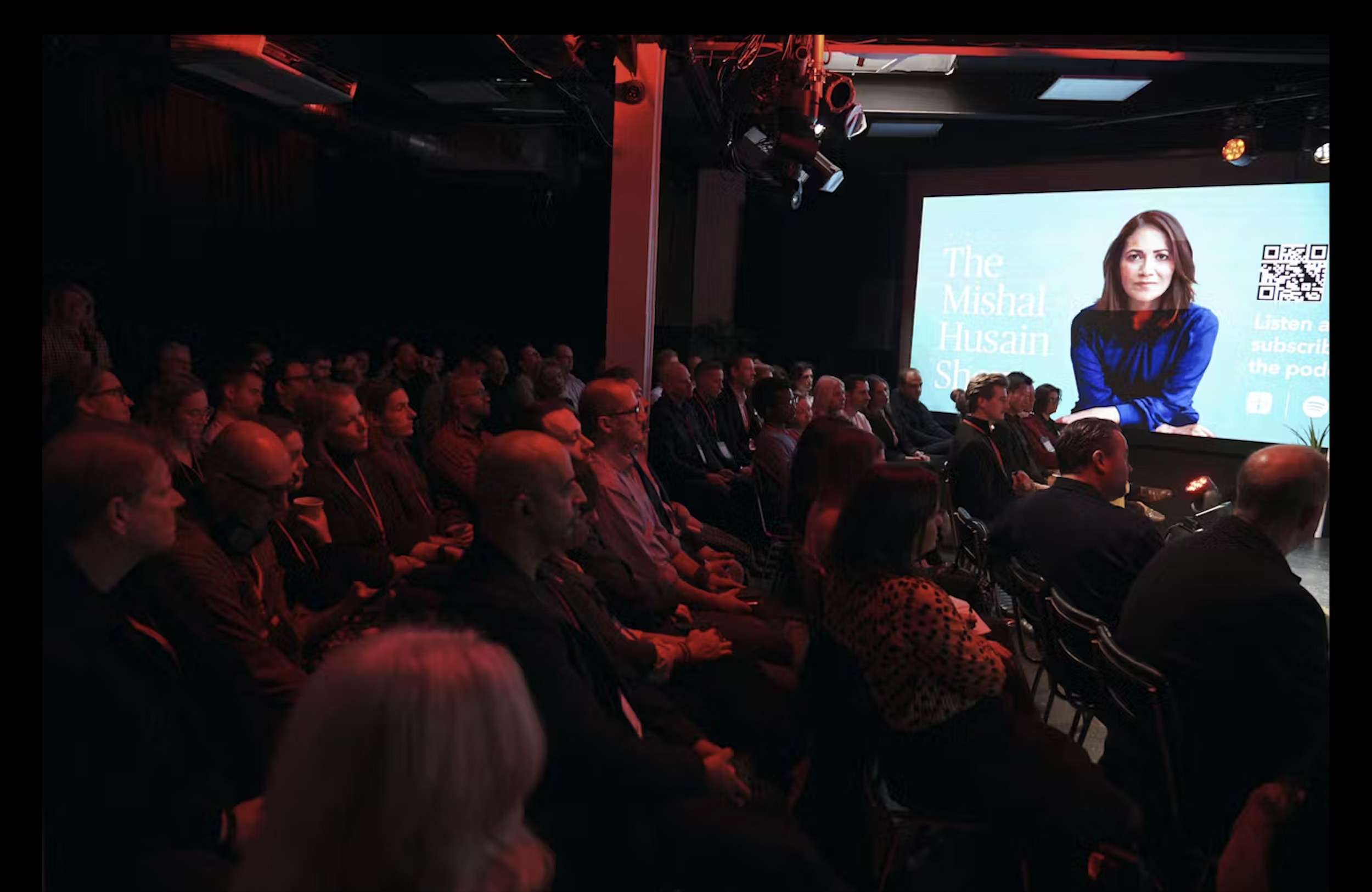
A fireside chat with Bloomberg and former BBC broadcaster and journalist Mishal Husain at The Drum’s B2B World Fest in London.
At B2B World Fest, we heard a statistic that should make every B2B CMO’s ears perk up: Only 10% of brand awareness activities overlap with demand generation in B2B marketing.
Think about that for a moment. In most B2B organizations, brand and demand gen are operating in almost entirely separate universes. This means there's a massive 90% of untapped potential where these disciplines could be working together to build stronger customer relationships.
At the event, we heard many conversations with leaders across journalism, sports partnerships, ABM strategy, customer experience, and AI implementation. All of them arrived at the same conclusion: The most successful brands aren’t choosing between brand and demand, efficiency and emotion, or automation and imagination. They're building strategies that integrate all of it.
What B2B differentiation actually looks like
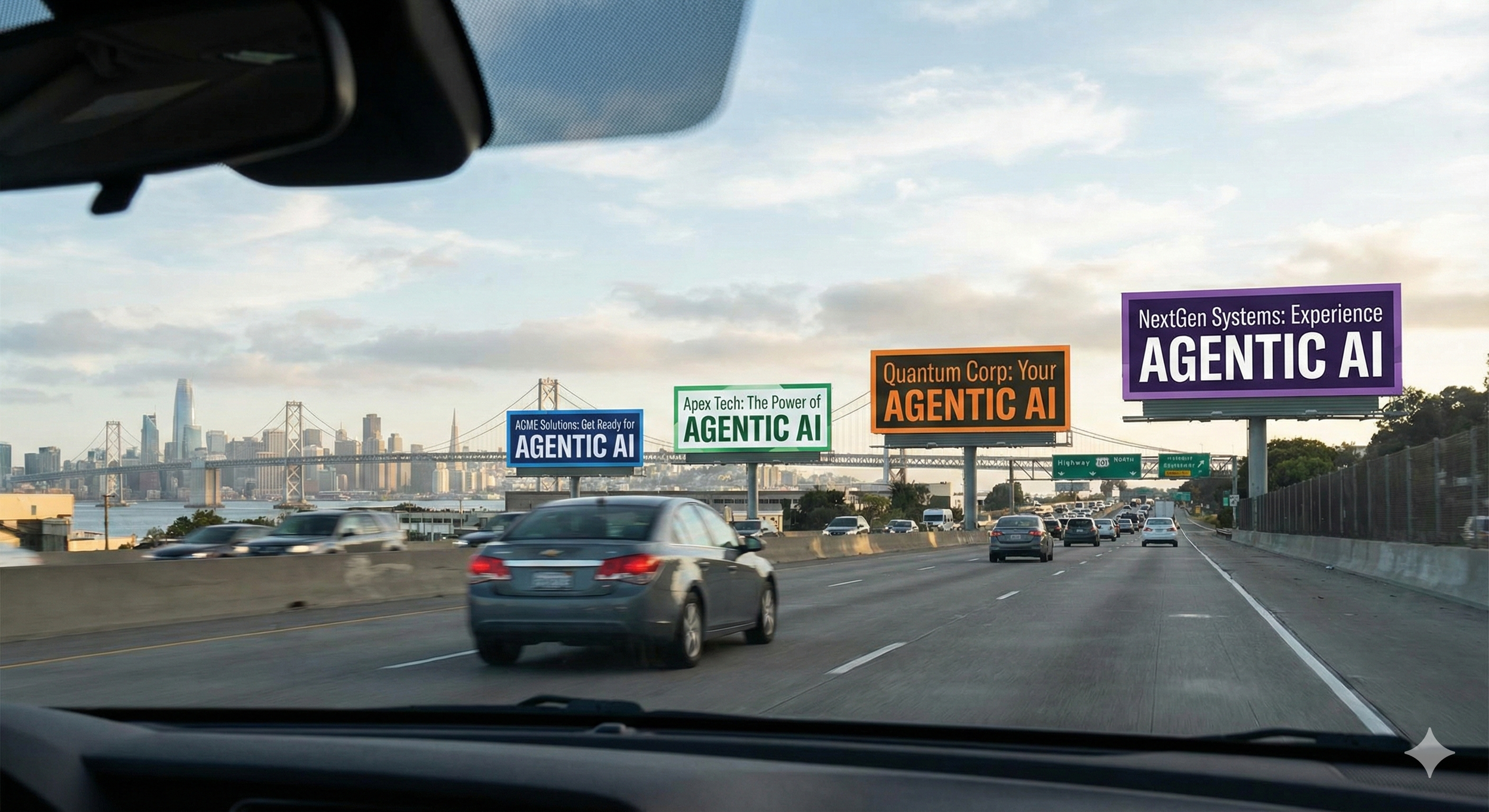
Imagine you’re driving from SFO to downtown. You see four different billboards from four different B2B companies, and they all use the exact same buzzword: “agentic AI.” Unfortunately, this kind of homogenized messaging is everywhere and it makes it impossible to distinguish between brands effectively. But when everyone is saying the same thing, the opportunity for real differentiation becomes obvious.
This need for unique messaging was a hot topic at B2B World Fest — and it starts with understanding your customer. For Mishal Husain, the host of a global Bloomberg podcast that discusses world events, success comes from a simple principle: Look for the small details that insiders no longer notice. By tapping into the perspectives of newcomers or younger employees, brands can identify what stands out to outsiders, reveal bigger truths, and create more compelling stories.
This is where smart B2B marketers can get ahead. While competitors chase the same headlines and buzzwords, there's space to tell stories that actually resonate with customers.
Playing the long game: When patience pays off
The brands winning the biggest are playing a completely different game.
TCS has sponsored marathons for 17 years, with 14 global races that have helped raise $275 million for charitable causes. In fact, the London Marathon, part of the TCS portfolio, is the largest single-day fundraising event globally. But this isn't a campaign — it's a platform for building long-term brand equity while demonstrating how technology, such as the TCS mobile app, enhances the overall runner and spectator experience.
Iron Mountain also knows how to play the long game. They invested a full year into evaluating their collaboration with McLaren Formula 1 because they understood the difference between a transactional, short-term sponsorship and a strategic, multi-year partnership. Now, Iron Mountain is using F1's global reach — 24 races annually across markets — to shift brand perception from legacy storage provider to AI and data center innovator.
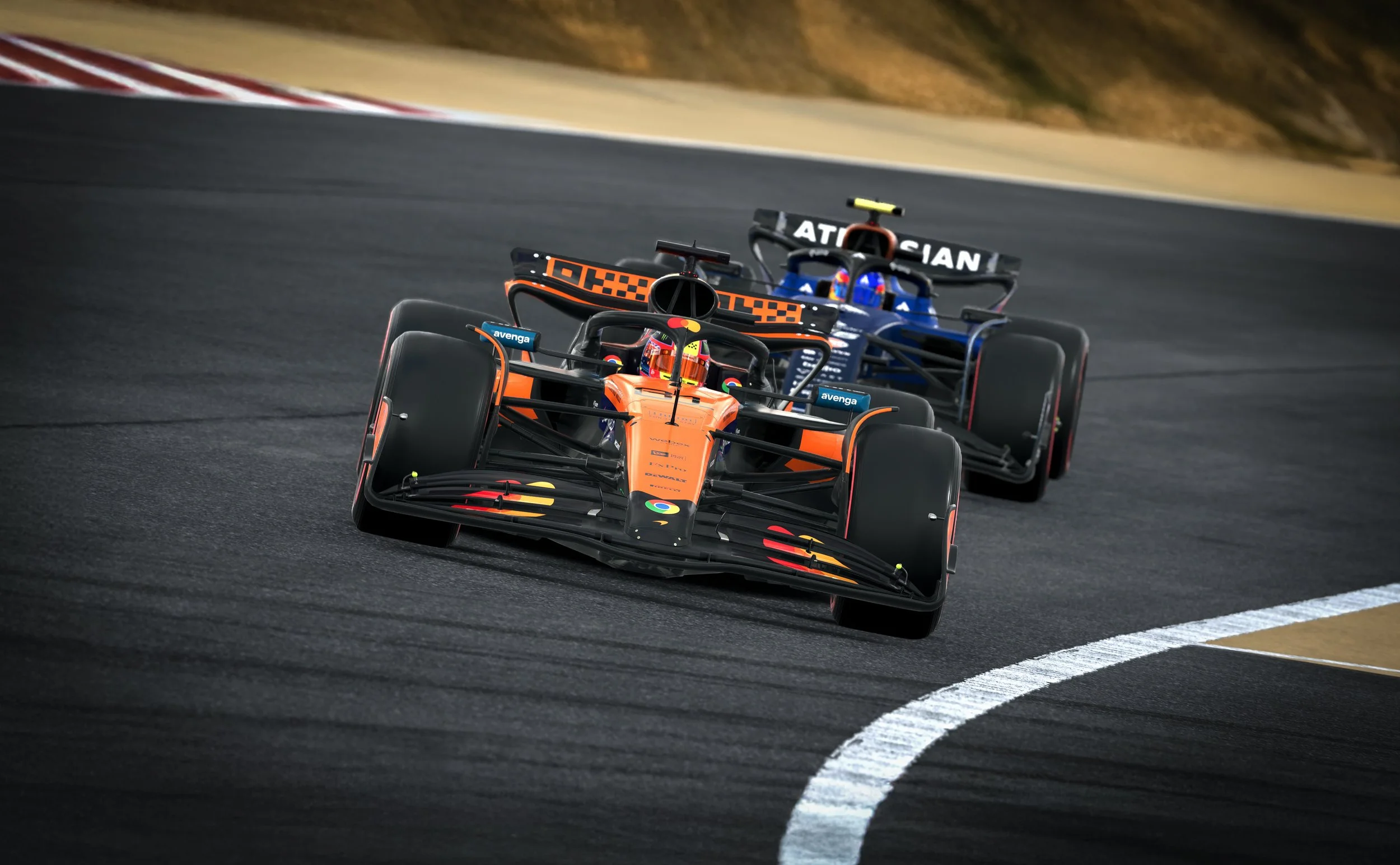
As an Official Partner since October 2025, Iron Mountain is transforming McLaren Formula 1’s digital heritage by using AI to bring their massive physical archives into the digital era.
As for the ROI metrics? Shifts in brand perception. C-suite pipeline generation. Employee pride. These shouldn’t be cast aside as soft metrics when really, they predict long-term enterprise value in ways that quarterly lead counts never could.
For instance, one company at B2B World Fest shared a story about a client with a small pilot budget to test brand investment. The result? Leadership increased the brand budget 10x the following year, then 3x again. That's 30x growth in 2.5 years because they demonstrated that strategic brand building delivers compounding returns.
The opportunity is clear: While many companies optimize only for the quarter, patient brands are building platforms that grow exponentially over years.
Building AI for emotion over efficiency
So how does AI fit into all this? Many brands are investing heavily in AI for operational efficiency, but those who are using it to transform customer experience are seeing big results.
JPMorgan shared how they’re building gen AI-powered virtual assistants that provide contextually relevant answers across channels, creating connected conversations instead of disparate interactions. Rather than focusing solely on delivering faster responses, the company is solving the broken customer experience where different touchpoints used to give different information.
Research from Code and Theory confirms what leaders already sense: The real AI opportunity goes beyond automation to bake emotional intelligence into the systems that interact with customers. By 2026, we'll see agentic AI that doesn't just respond but acts, anticipating needs, negotiating on behalf of customers, and adapting to context. Your customer's AI will talk directly to your brand's AI to autonomously align needs, timelines, and recommendations.
Building for this future starts now. At S&P Global, this means combining top-down strategic governance of AI with bottom-up experimentation, always starting with real business problems rather than technology capabilities. When they deployed AI for external marketing — such as content personalization at scale and account-based messaging for specific personas — they kept humans in the loop for quality control. That’s because B2B involves people who are emotional beings, not just efficiency targets.

The brands that win will use AI to amplify human creativity and customer insight rather than replace it. While low-quality, keyword-stuffed content is easily automated, the premium is on ingenuity and genuine understanding.
What this means for B2B marketers in the next decade
Rather than feeling constrained by that 10% overlap between brand and demand gen, B2B marketers should see it as a roadmap. The 90% gap represents untapped potential for brands willing to think differently.
Here's what the most successful brands understand:
Differentiation comes from noticing what others miss. Small details. Customer perspectives. The human stories that insiders overlook because they're too focused on features and functions.
Strategic patience grows. The TCS and Iron Mountain examples are proof that long-term brand strategies deliver returns that one-off campaigns can't match. While others optimize for the quarter, there's space to build something that lasts years.
AI's real value is in creating better experiences. Instead of automating what you already do, create experiences that were previously impossible, like connected, contextual, emotionally intelligent interactions across every touchpoint.
Brand and customer experience are one strategy. They're not competing priorities. They're the same work executed across different timeframes and touchpoints, both building toward the same goal: customers who choose you, stay with you, and advocate for you.
It all comes down to what should be obvious but many B2B brands seem to have forgotten: Start with the customer. Focus on understanding them first instead of implementing technologies for the sake of it or letting efficiency goals override genuine human connection.
Because in 2026, when agentic AI is negotiating on behalf of your customers, the brands that win won't just be the ones with sophisticated automation. They'll be the ones that built for humans all along and have the relationships to prove it.
If you’re ready to build relationships that survive and thrive in the age of agentic AI, we should talk. We’re already crafting the kind of emotionally intelligent experiences that drive loyalty (and ROI). Get in touch, and let’s future-proof your brand together.