
The new B2B influence playbook: trust, distribution, and hidden buyers
B2B marketing has always been about credibility - but in 2025, credibility started behaving like a media product. Buyers increasingly learn through creators, share perspectives internally, and use thought leadership to judge a vendor’s competence long before a demo is booked.
Meanwhile, creator economics are accelerating. The IAB projects U.S. creator ad spend will reach $37B in 2025 (+26% YoY), a clear signal that creators are now treated as a durable channel, not a campaign experiment. (IAB) And the influencer marketing market is estimated at roughly $32.55B in 2025, underscoring sustained, industry-wide investment. (Influencer Marketing Hub)
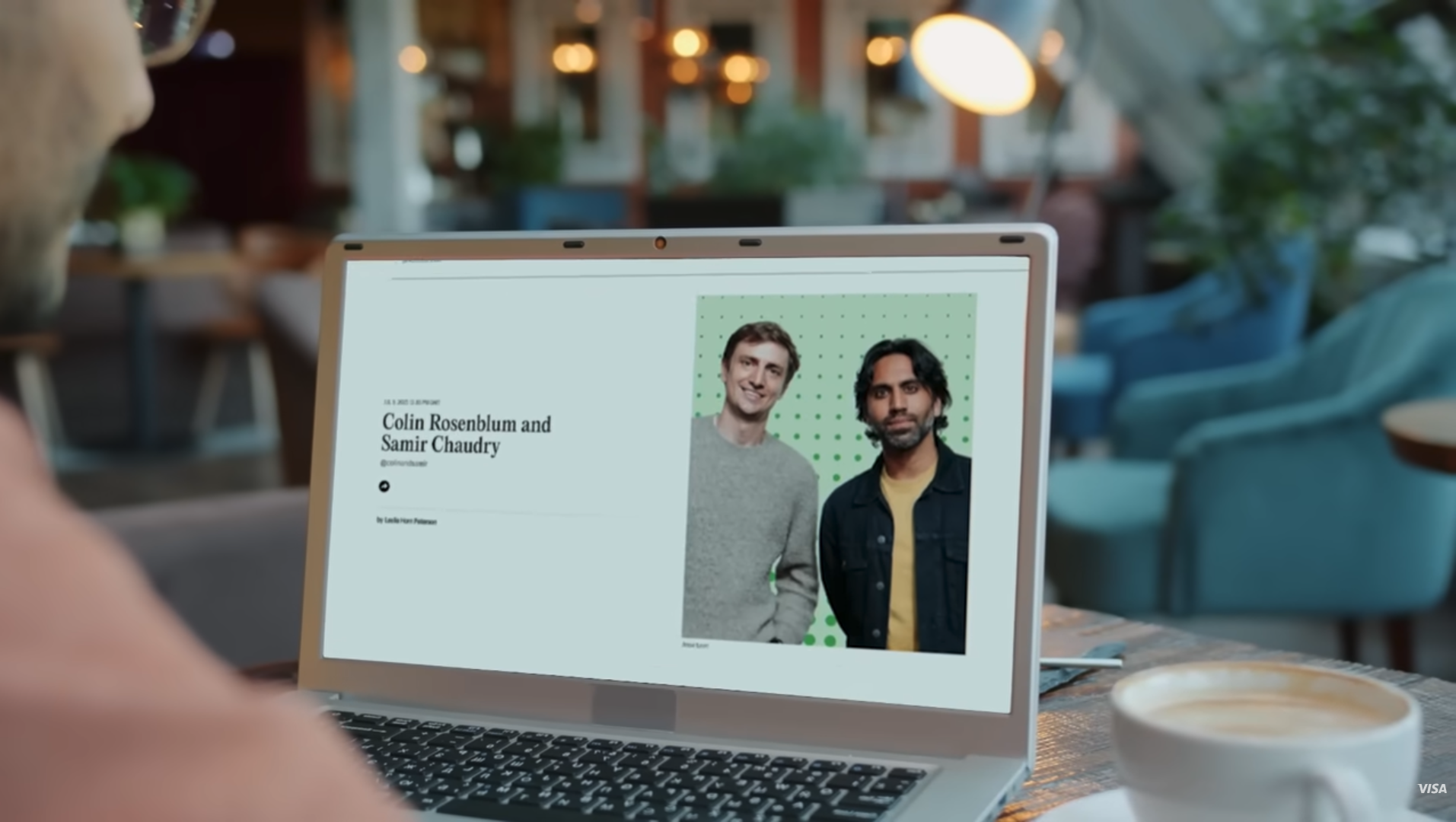
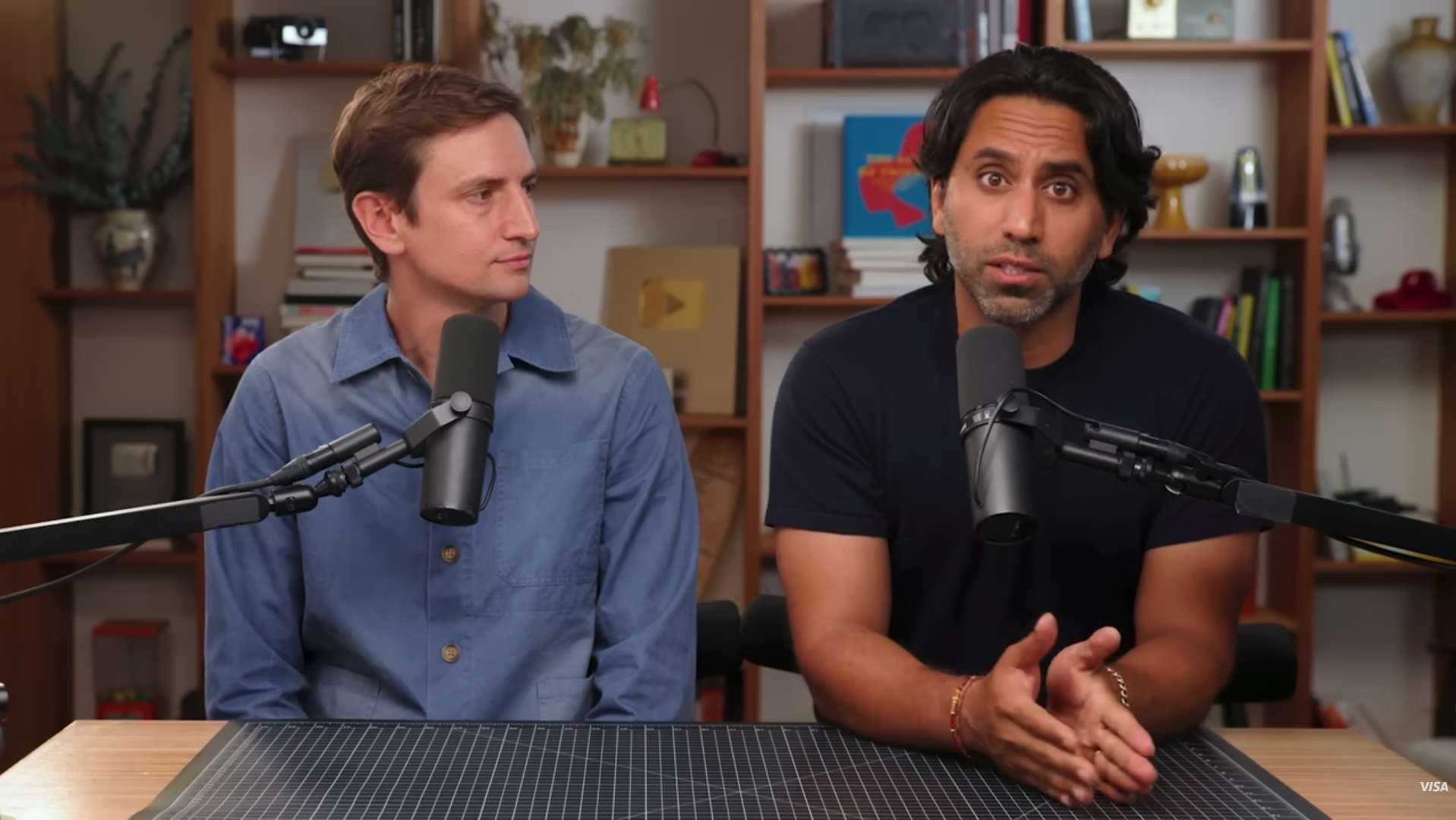
Two of the creator economy’s most respected voices, Colin and Samir, testified to this rapid growth on the Money Travels podcast from Visa Direct, produced by distillery. They claimed that more than 70% of creators now make most of their money from brand deals, while major multinationals are spending up to 50% of their total marketing budgets on creators.
For B2B specifically, LinkedIn is the center of gravity. Coverage of LinkedIn’s B2B creator guidance reports that 59% of B2B buyers consume creator content on the platform. (Demand Gen Report) So if your buyers are on LinkedIn learning from people, then your brand strategy can’t rely solely on brand publishing and paid distribution. You need credible voices - external creators, internal executives, or both - to carry your narrative into the feed, the group chat, and the internal buying committee.
That “internal committee” is where the biggest shift is happening.
Edelman and LinkedIn’s 2025 research spotlights the hidden decision-makers who influence purchases without necessarily engaging in sales conversations. These stakeholders are highly persuadable through thought leadership: 71% of hidden decision-makers say thought leadership is more effective than conventional marketing/sales materials at demonstrating value. And 64% say they trust thought leadership content more than marketing materials when assessing capabilities.
In other words, strong ideas carry more weight than polished collateral.
Even more disruptive: 53% agree that if thought leadership is high quality, brand recognition matters less. That’s a blueprint for challengers — and a warning for incumbents. If your brand isn’t showing up with fresh, perspective-shifting insights, you’re leaving space for a sharper, more human voice to define the conversation.
So what does this mean for businesses building marketing, creative, and communications strategies in 2026?
Three reasons businesses should harness B2B influencers now
1) Influencers help build trust in high-consideration buying.
B2B buyers don’t just want features - they want confidence. Thought leadership is increasingly used as a proxy for “what it will be like to work with you.” Hidden buyers are especially drawn to content that surfaces missed needs and challenges assumptions. A creator with real-world credibility can deliver that trust faster than brand-first messaging.
2) Influencers unlock distribution where your brand page can’t compete.
Organic reach is crowded, and audiences are picky. Creator-led distribution — whether external experts or internal executives - is a way to reach buyers in-feed with content that feels native and useful. That’s why LinkedIn is explicitly pushing B2B creator partnerships, and why buyer consumption stats (like the 59% figure) matter. (Demand Gen Report)
3) Influencers move the “hidden” stakeholders who stall or shape deals.
Even when your champion loves you, deals can fail inside the org. C-suite encouragement and thought leadership can create top-down momentum, and hidden decision-makers can become more receptive to outreach when they see consistently high-quality thinking. Influencers don’t just create awareness - they create alignment.
The core takeaway is simple: B2B influence is becoming a primary route to trust and demand. Treat creators as an add-on and you’ll get limited results. Treat them as a strategic layer - alongside brand publishing, PR, exec comms, and community - and you’ll unlock continuous, long-term growth.
If you’re ready to turn "nice-to-have" into your strongest infrastructure, let’s talk. We help brands like yours find their voice - and the right people to amplify it.