
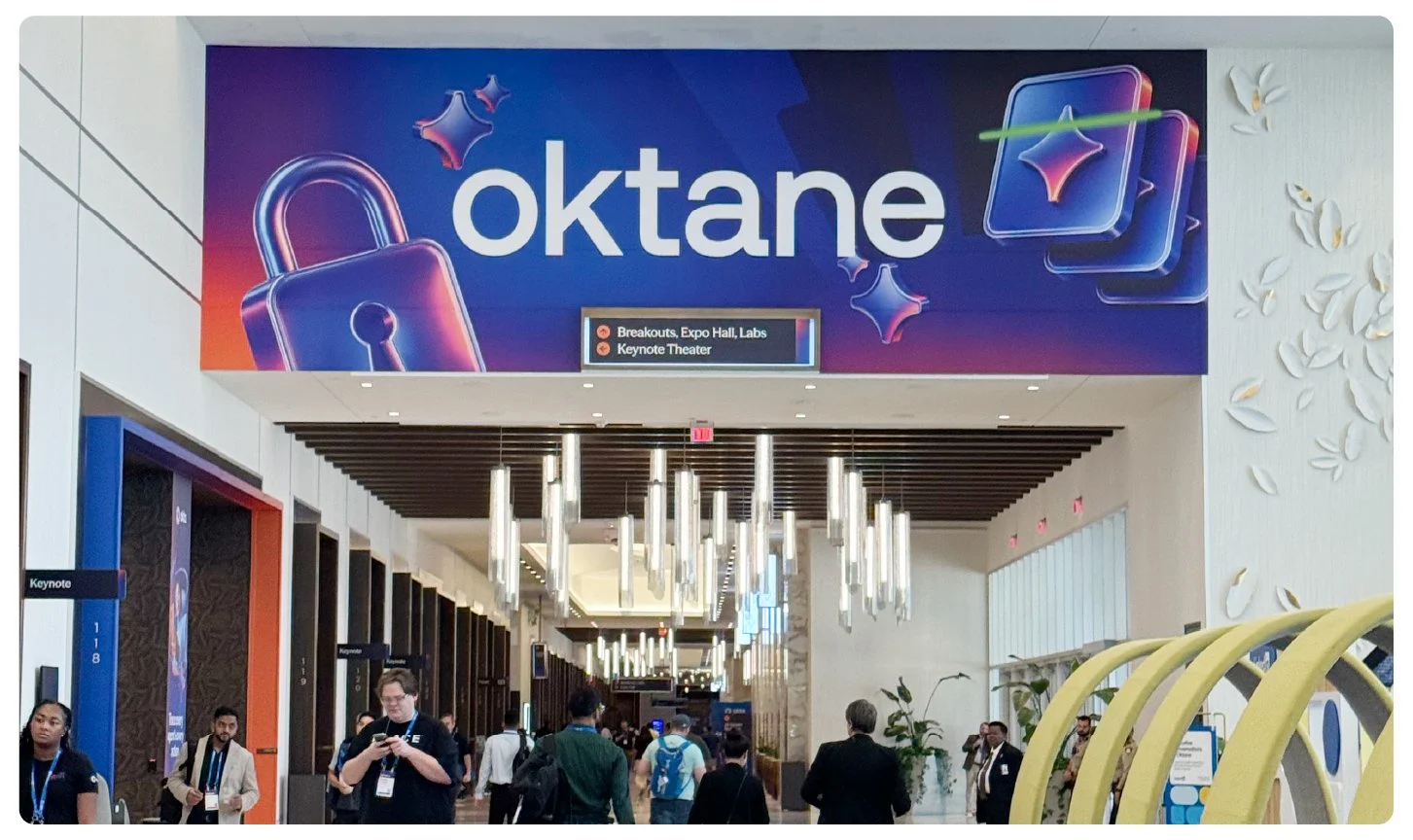
Learn how we teamed up with Okta to elevate executive-level insights at Oktane.
Identity is the front door of any business, and now companies have to worry about more than just their employees accidentally leaving that door open. Everyone at Oktane 2026 was looking for industry-leading insights to make sure both their people and their growing teams of AI agents stay secure.
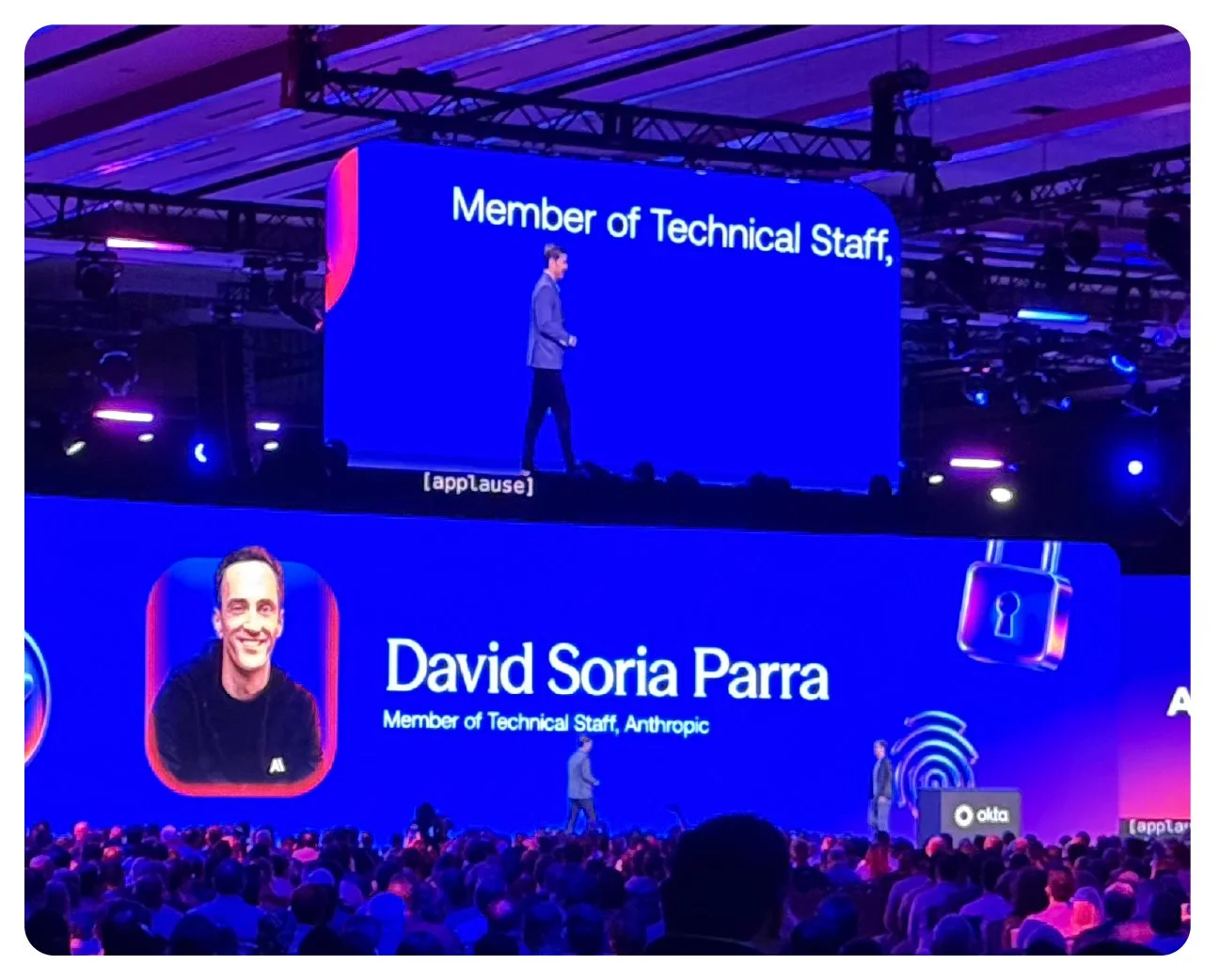
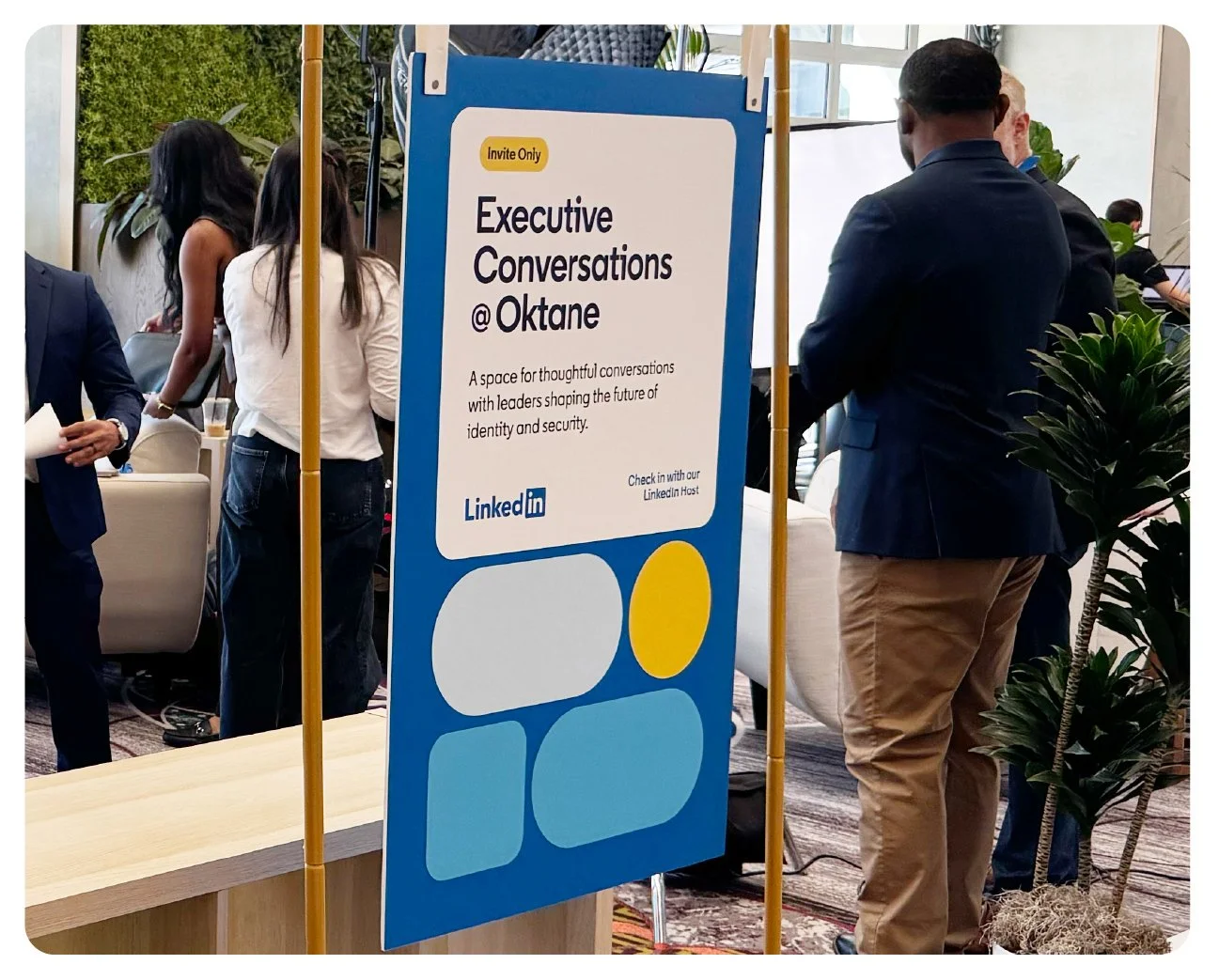
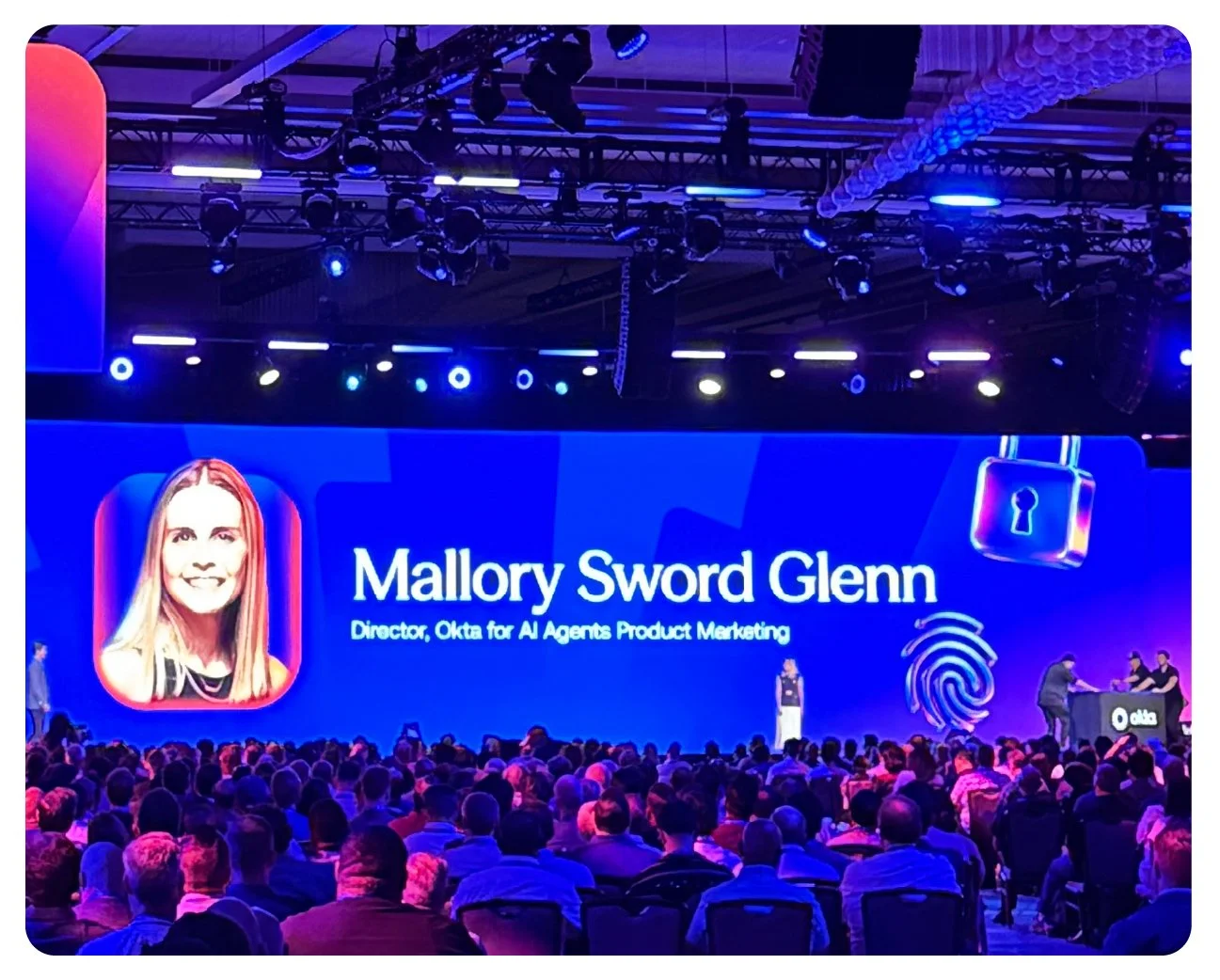
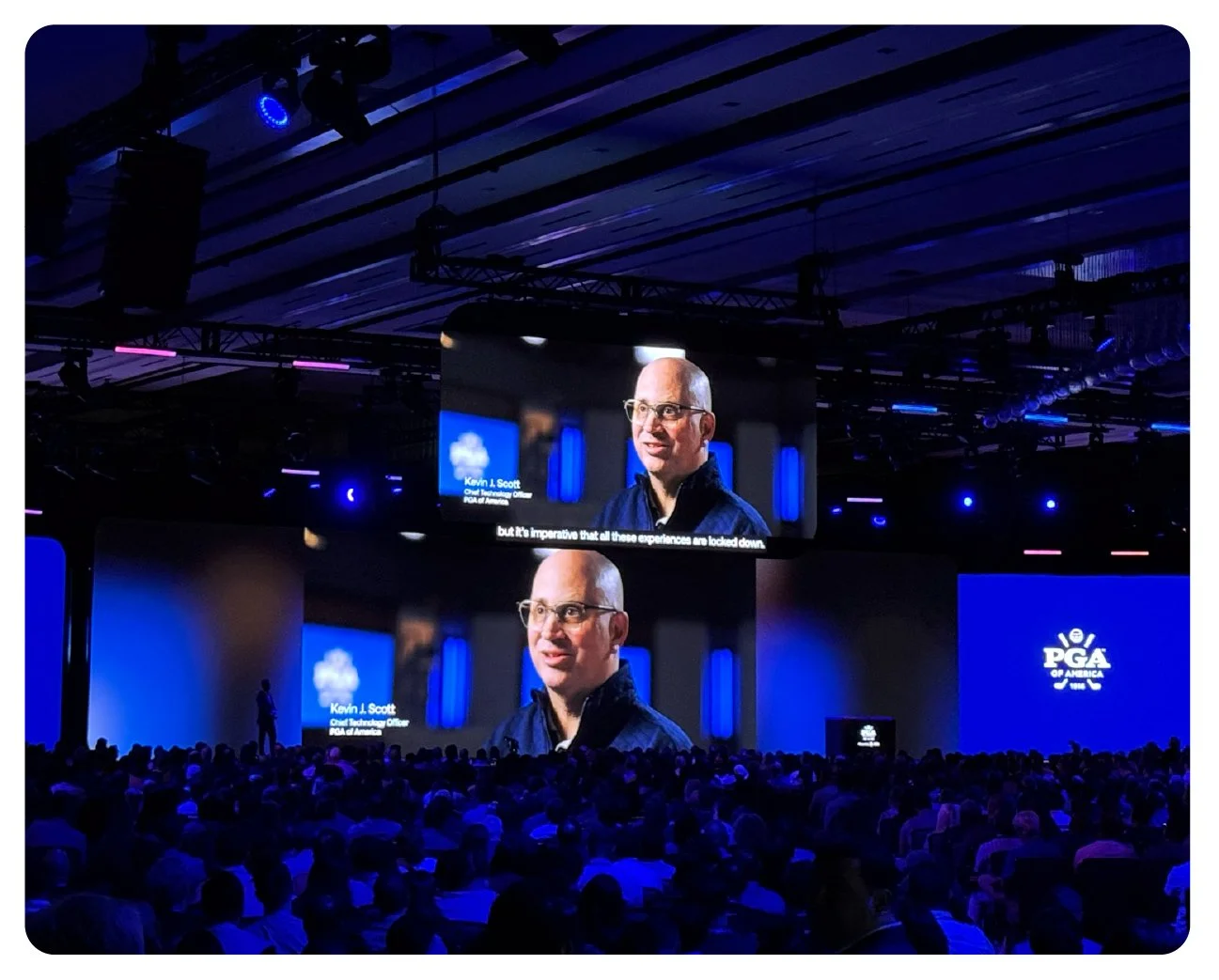
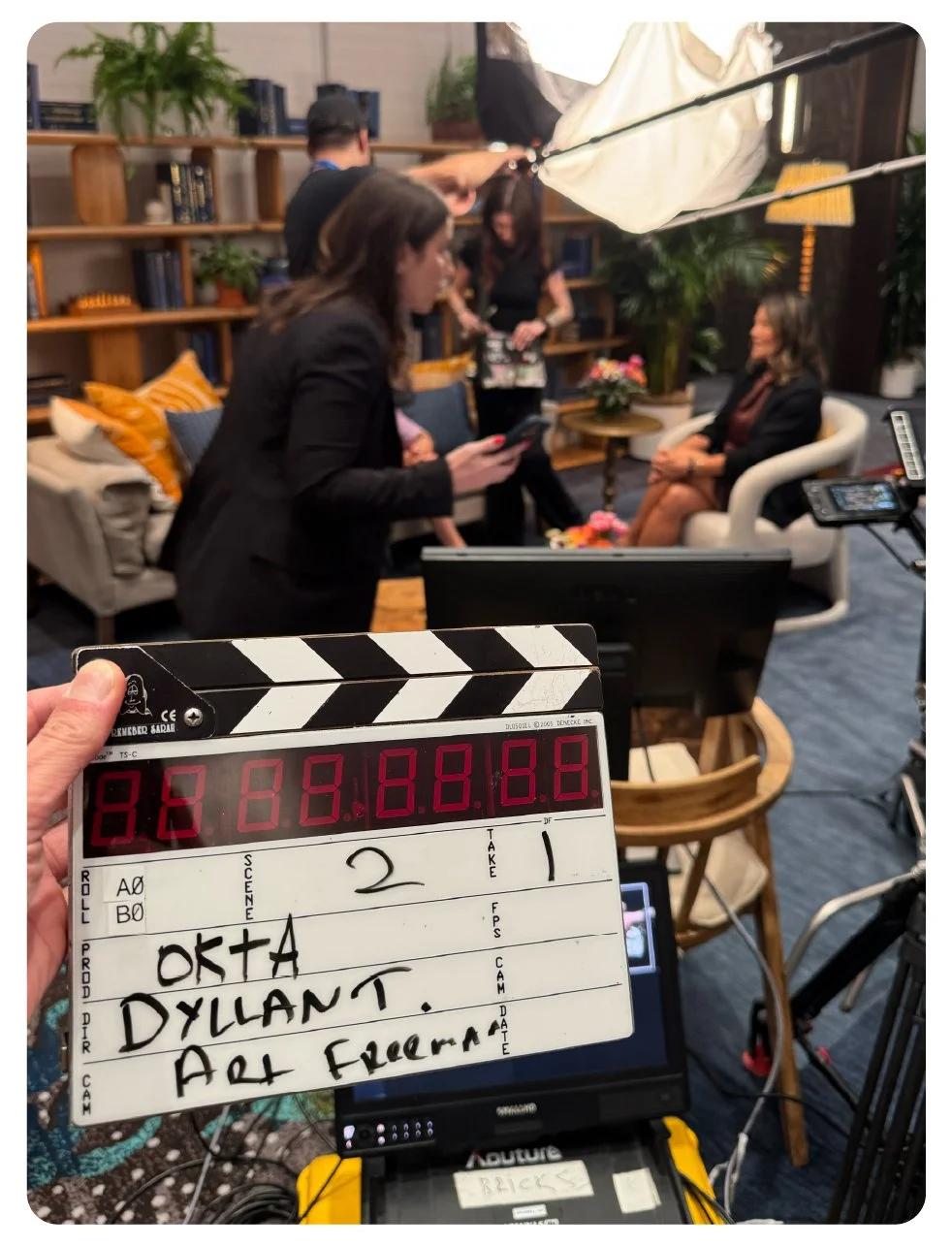
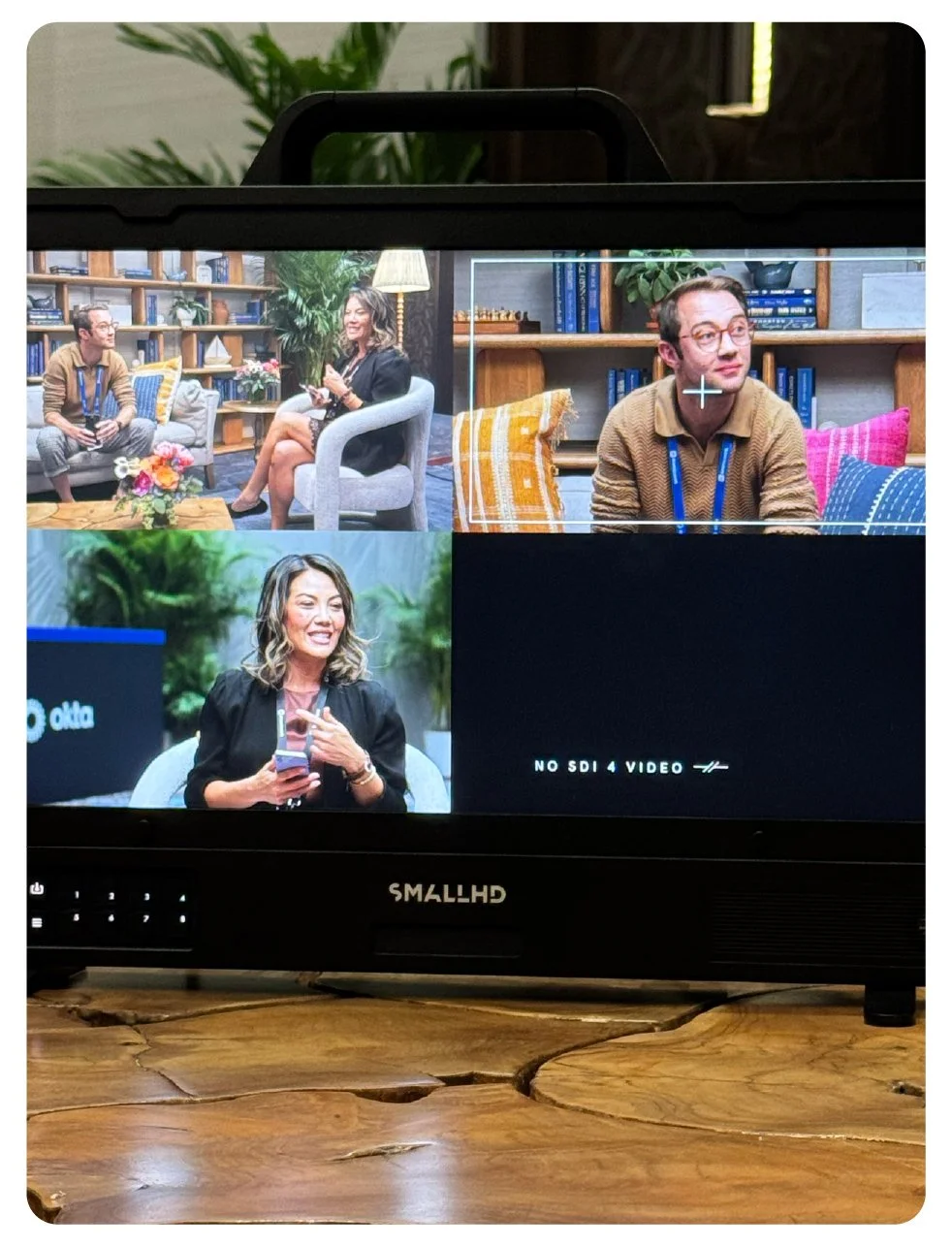
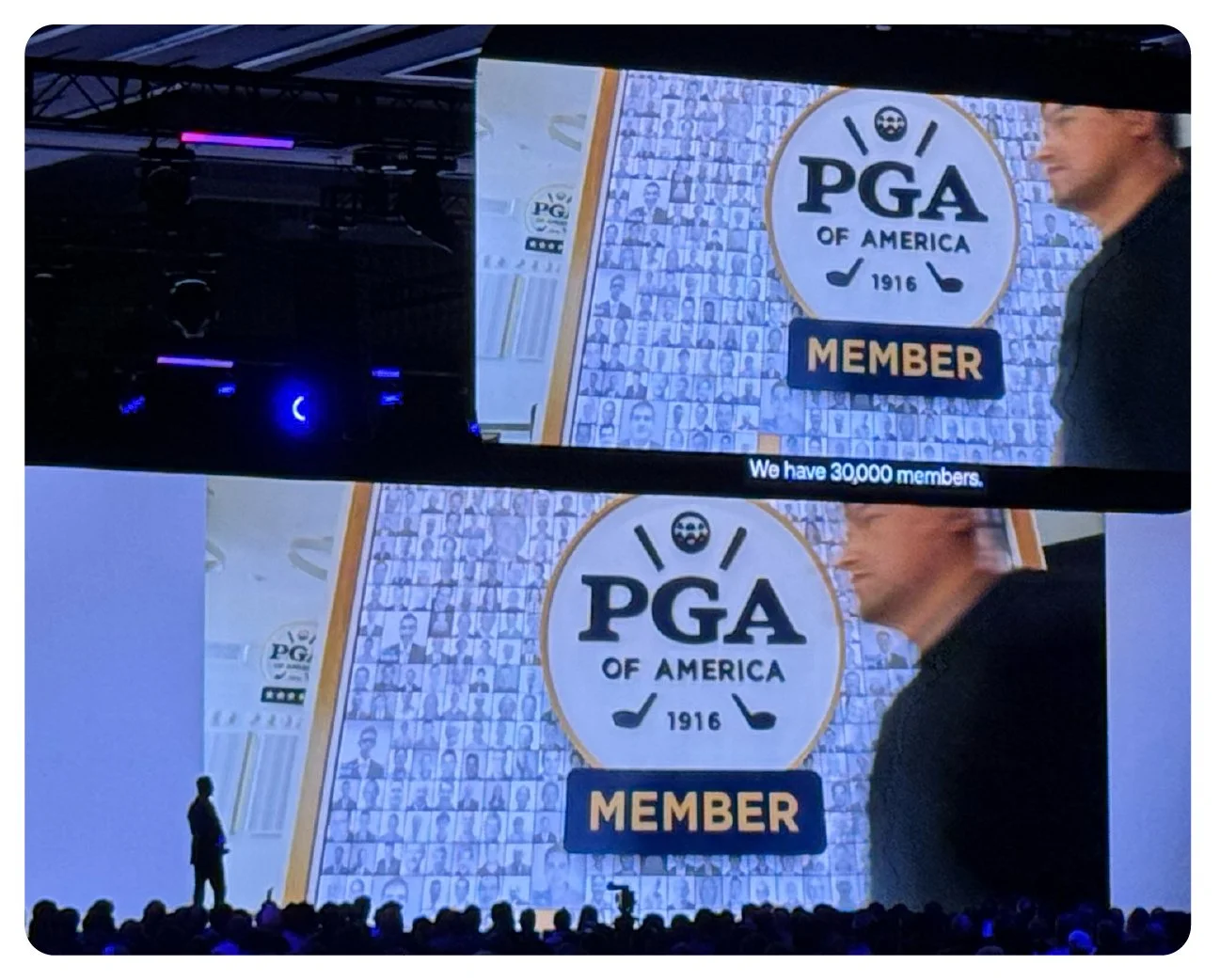
The event kicked off with inspirational keynote speeches from Olympic Medalist Lindsey Vonn and legendary skateboarder Tony Hawk followed by Okta’s debut of its cutting-edge AI solutions. After a quick round of mini golf hosted by the PGA of America, our team got under the identity security hood with Allison Johnson, Head of Customer and Executive Marketing at Okta for their Executive Exchange video series. Here are our key takeaways from our time on set with Johnson and her team.
Balancing risk and AI innovation
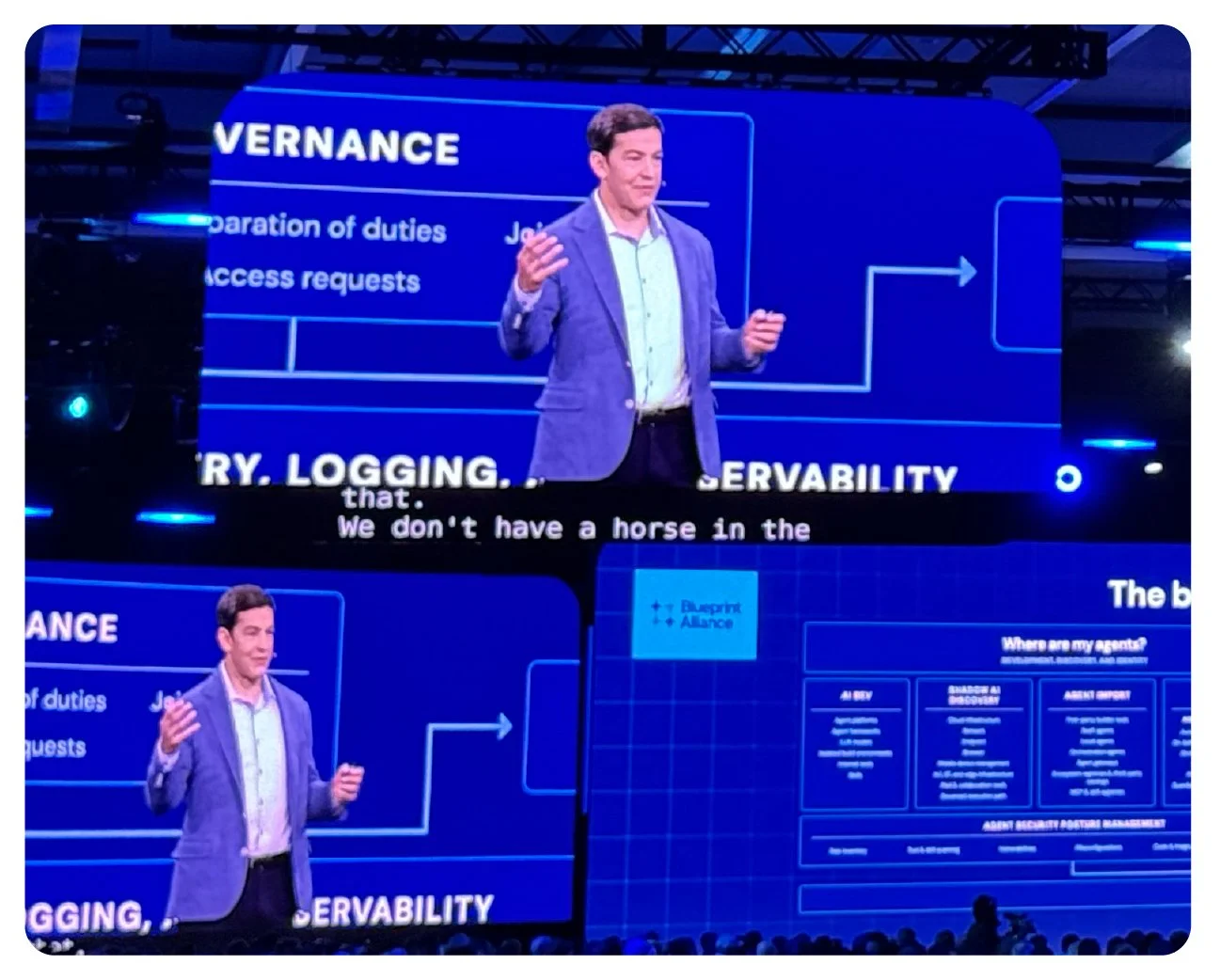
In his Auth0 keynote discussion, Todd McKinnon Chief Executive Officer & Co-Founder of Okta walked through how AI agents are transforming the modern shopping experience. Real money is at stake when agents can make autonomous purchases which is why it’s even more important for companies like Brex to build authentication into agents’ decision-making processes.
Mark Hillick, CISO at Brex, shared that today’s security challenges feel like balancing on a tightrope between risk and innovation, and as agentic workflows grow rapidly, the drop to the ground gets more frightening. But leaders are optimistic. By building close relationships with teams across industries, leading companies are treating agents as first-class identities. This means granting access based on specific tasks rather than letting them run wild with blanket access, all while keeping a close eye on their behaviors.
Updating to phishing-resistant security
For years, SMS- or email-based authentication has been the standard for keeping accounts safe from attackers, but these methods are becoming easier and easier to exploit. AI-powered phishing messages and vishing (voice phishing) calls are more convincing than ever, and cybercriminals are using AI to vibe code their own attack tools. This ease of access and speed to act means cybersecurity leaders need to implement phishing-resistant multi-factor options to keep ahead of new threats.
Okta’s Deputy CISO, Charlotte Wylie shared that the keys to keeping teams safe are enrolling, enforcing, and monitoring these more security factors. Moving toward fingerprint scans or facial recognition options over passwords keeps individual accounts safe and gives end-users secure ways to give AI agents permission to act, so both people and agents can operate within safe guardrails.
Curating industry insights to champion security teams
We’re grateful for our amazing on-screen talent and our talented local crew in Las Vegas for a successful shoot and another year of storytelling at Oktane. The cybersecurity landscape is changing fast to keep up with both internal AI innovation and external AI threats, and we’re excited to work closely with leaders driving that change and laying the foundation for securing the future of AI.
Telling stories with our clients through projects like Okta’s Executive Exchange helps create a network of experts and thought leaders who are making that secure future possible. If your team is tackling the AI security problem, we’re here to help get the word out. Talk to our team today to discover creativity that learns, adapts, and proves value for even the most technical of cybersecurity professionals.