
Proof of Human and what we cannot afford to outsource
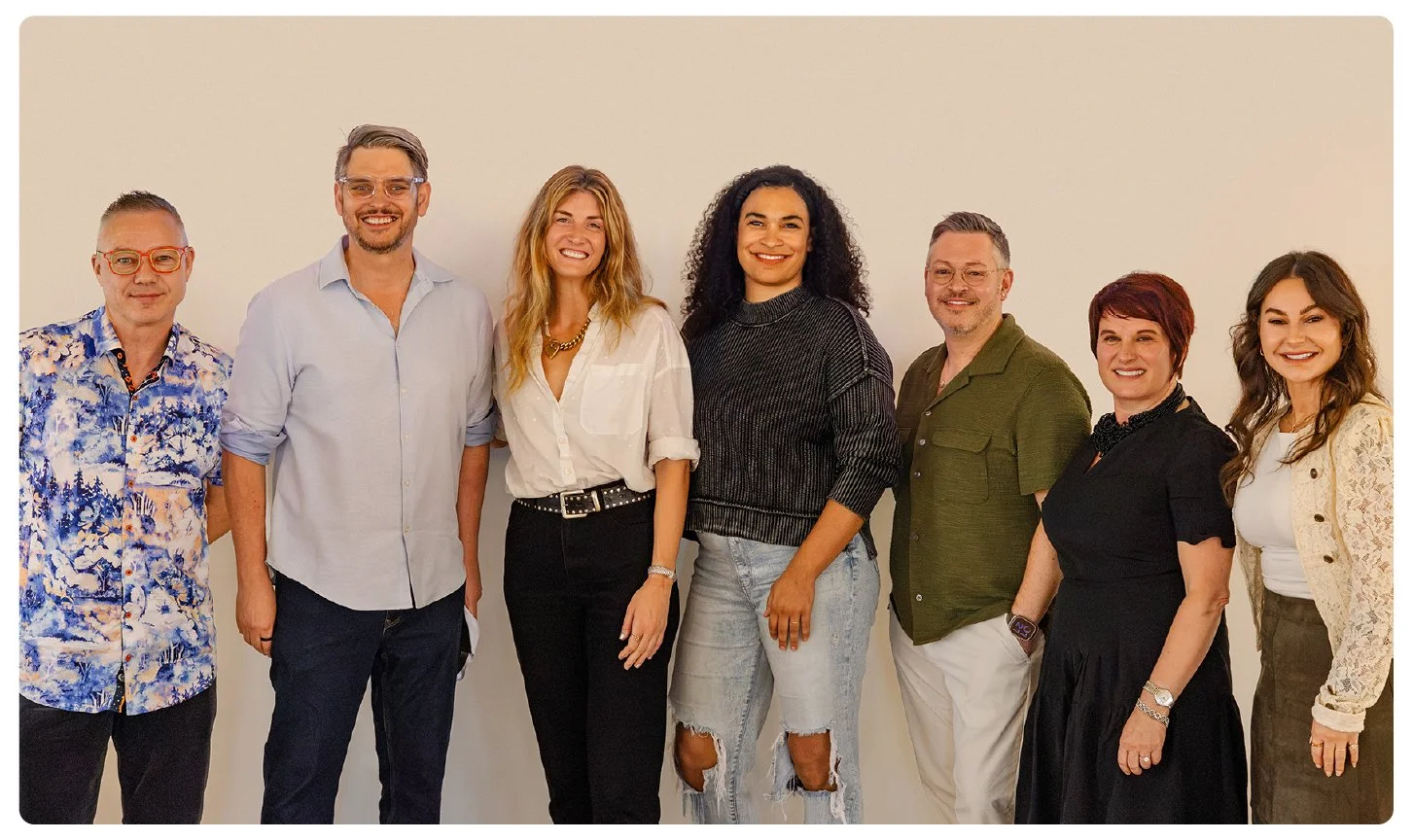
Six perspectives from distillery’s SF Tech Week event on creativity, trust and the work that keeps both human
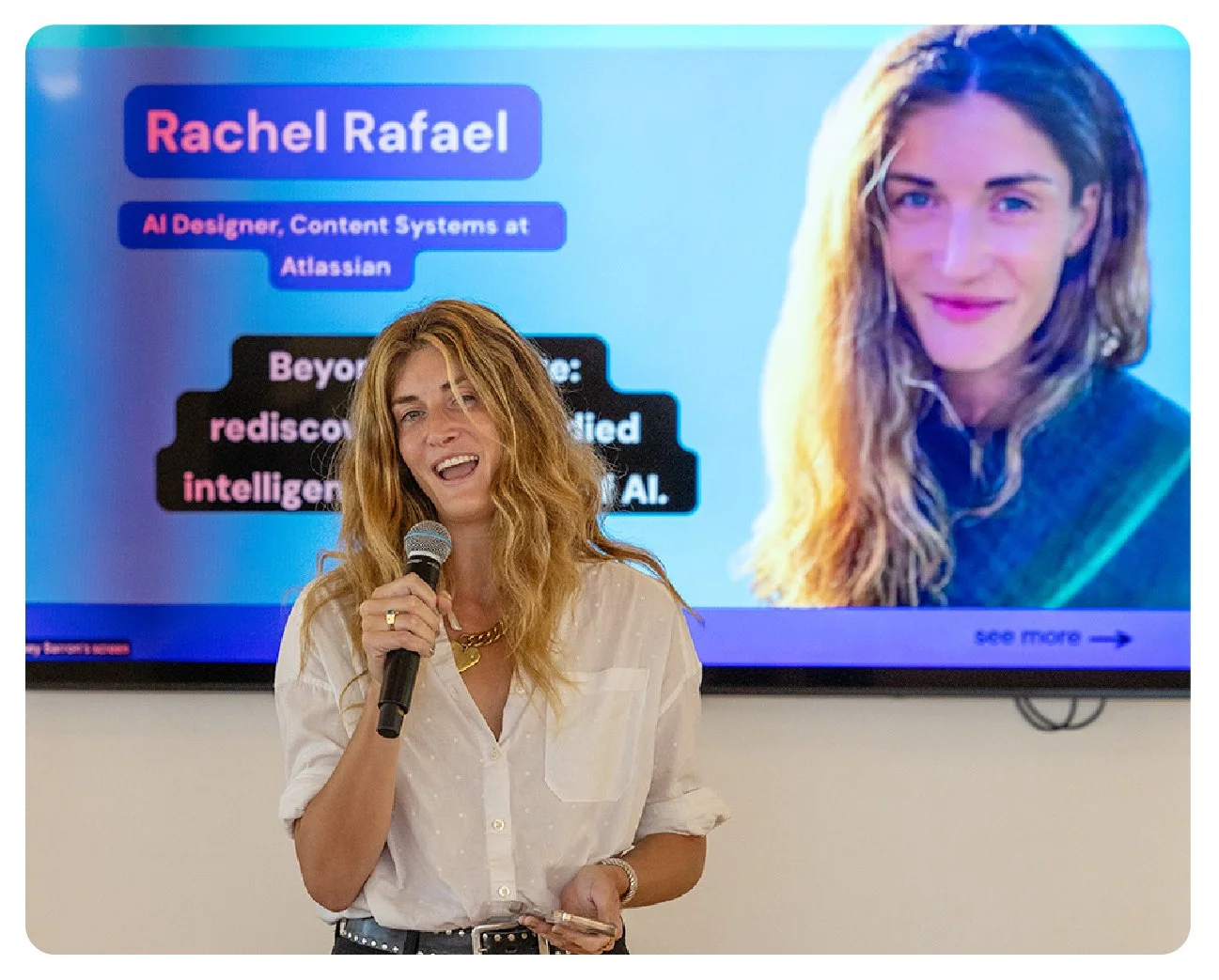
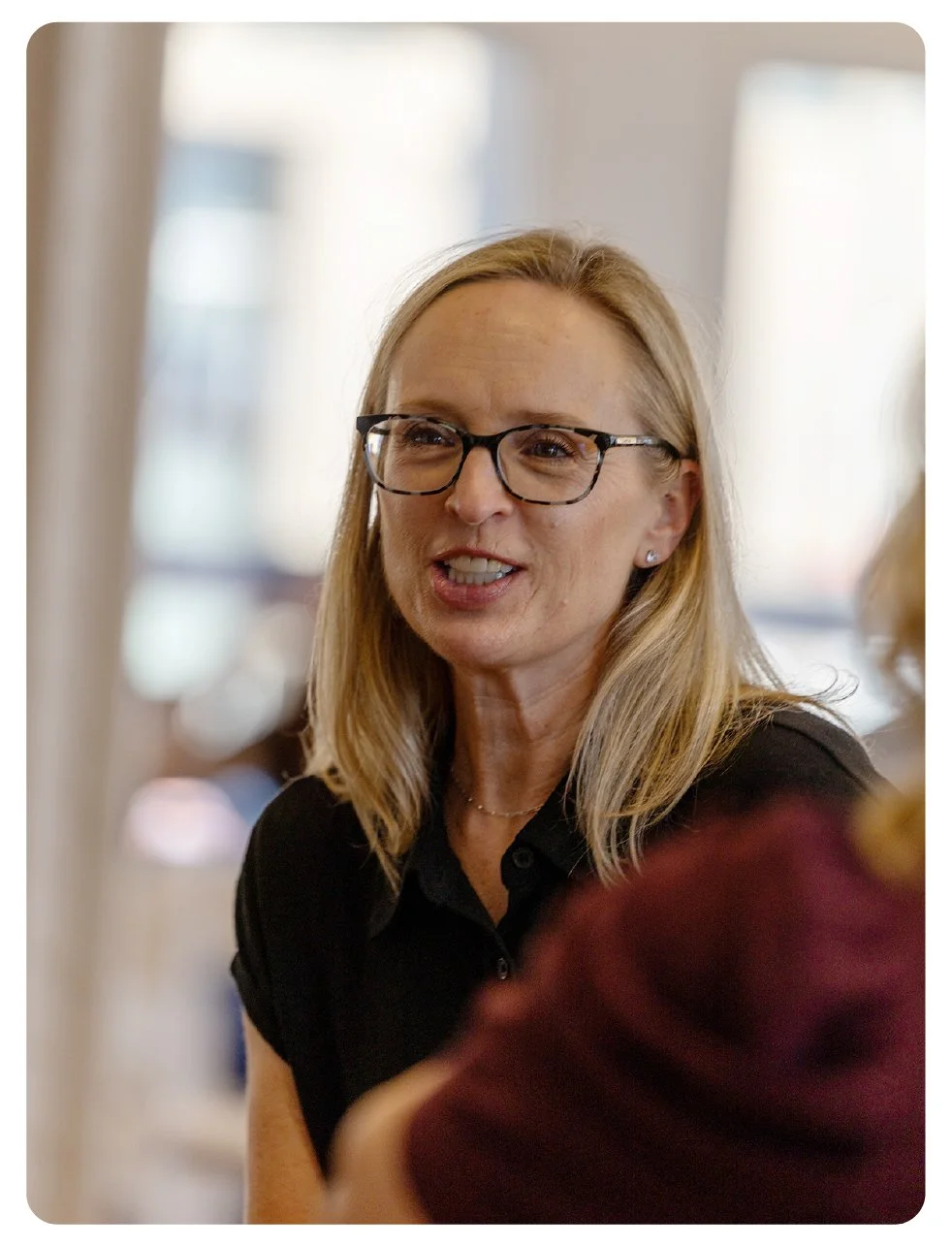
At one point during Proof of Human, Rachel Rafael, who designs AI content systems at Atlassian, asked everyone to take a breath, turn to someone they hadn’t spoken to and say, “G’day, mate.”
Two words. But, as Rachel pointed out, the encounter contained much more: a voice, a look, a little warmth and perhaps some awkwardness. There was a person on the other side of it, paying attention.
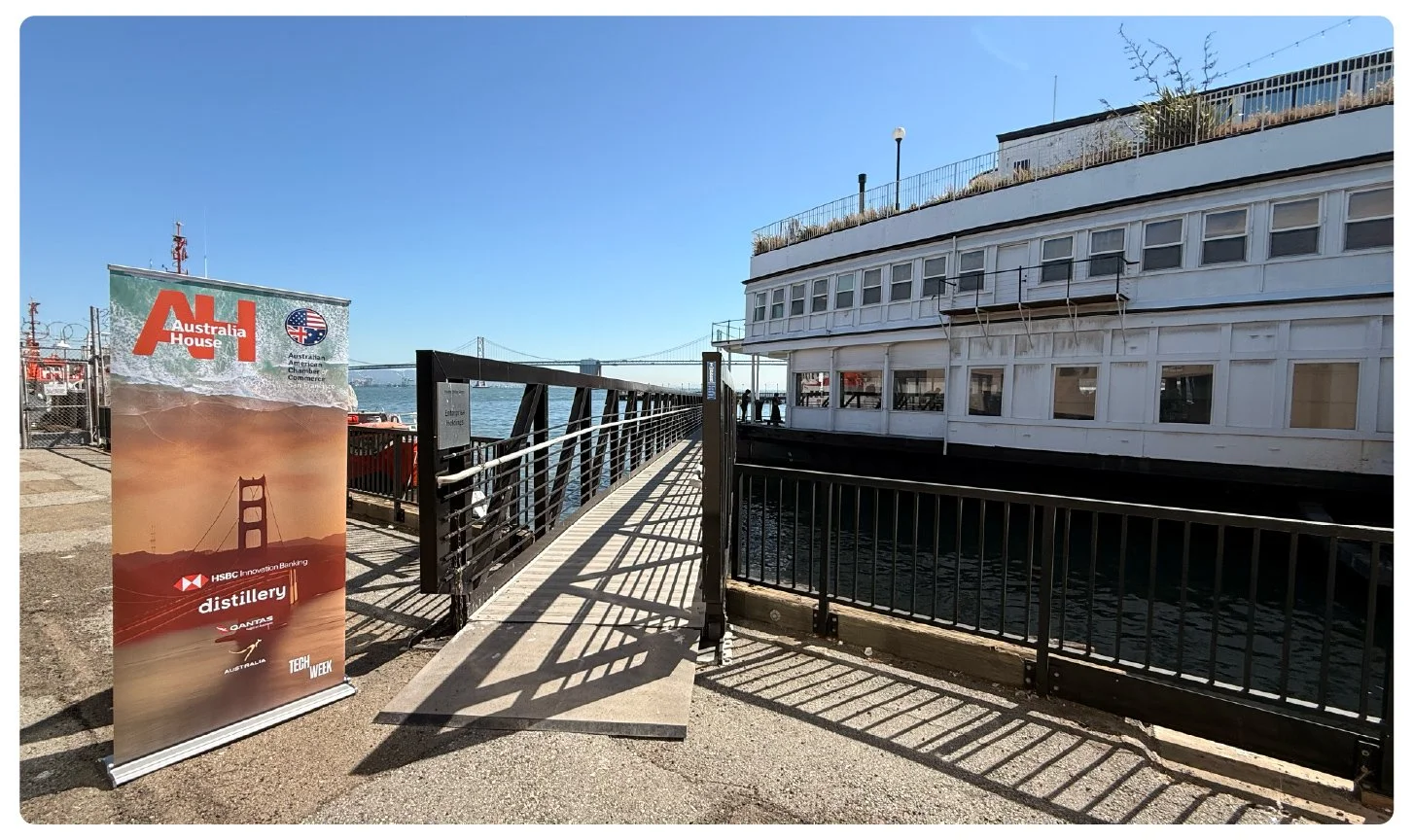
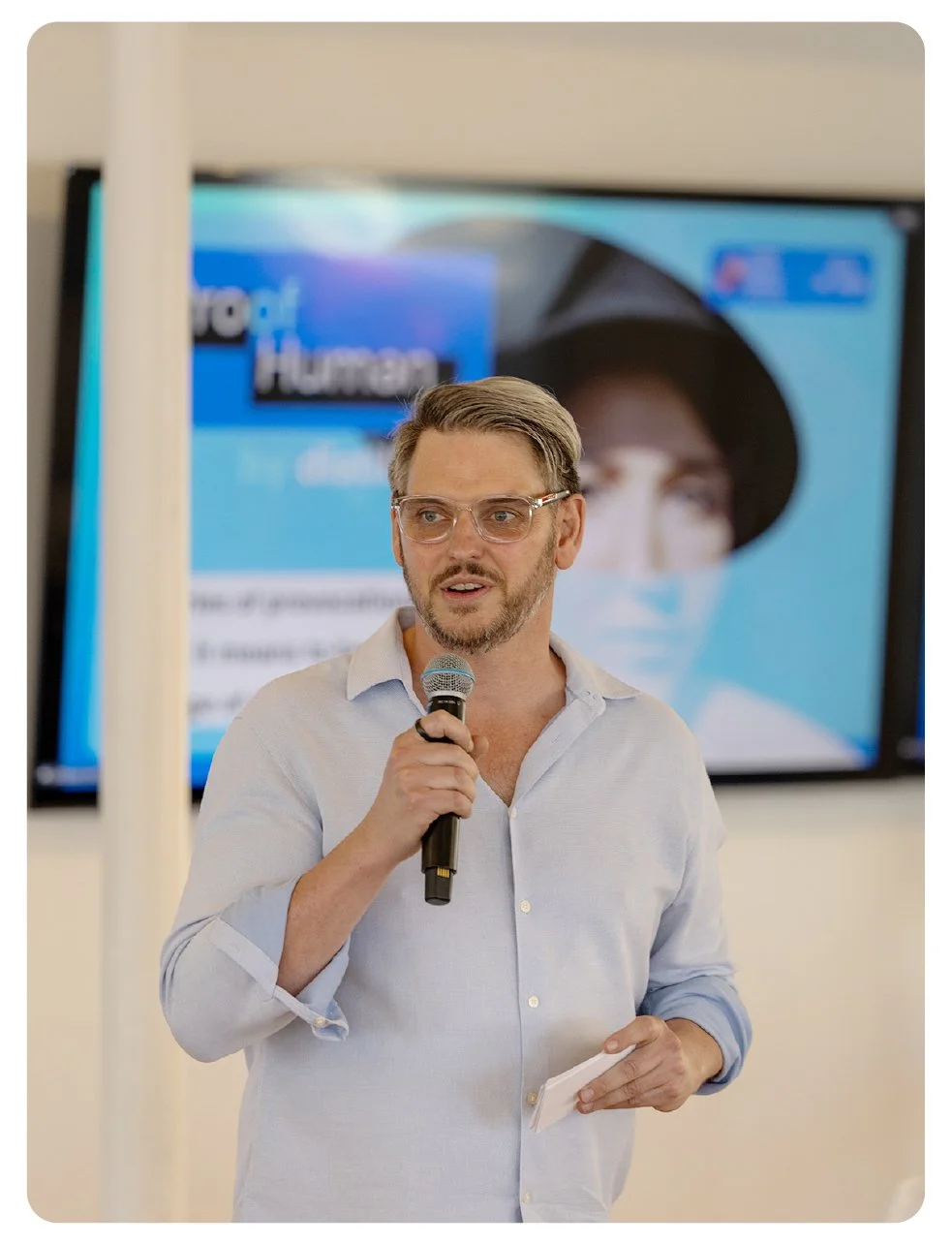
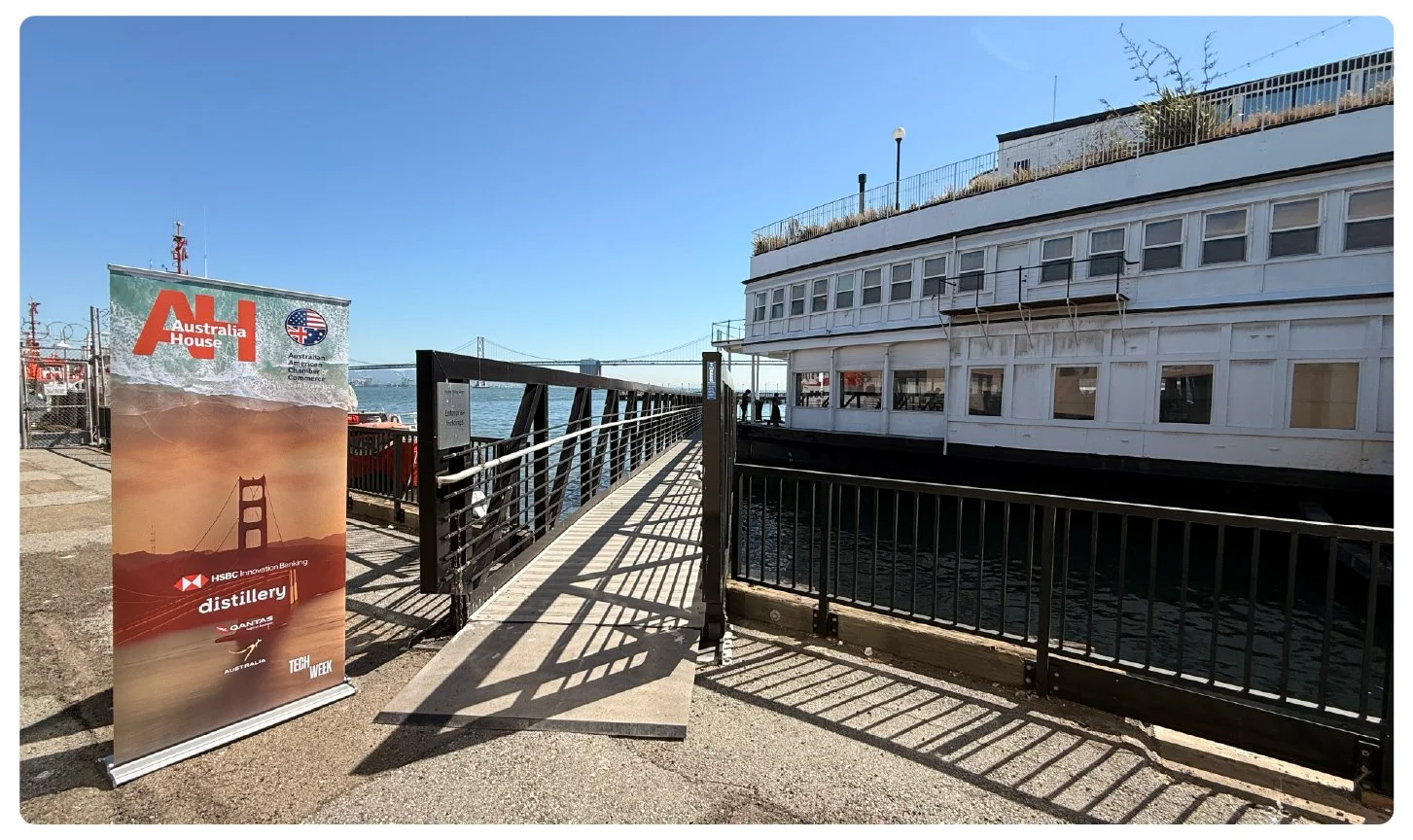
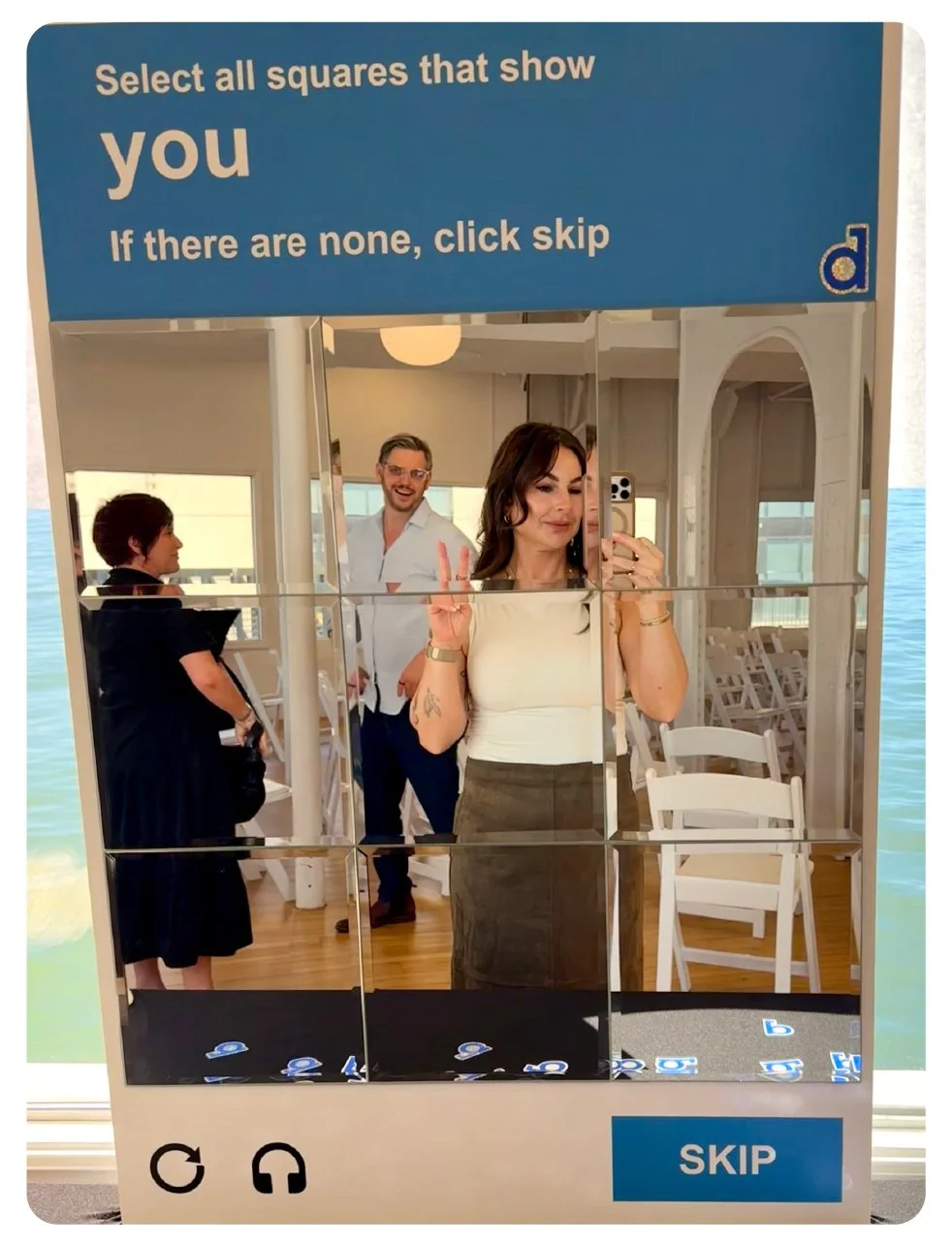
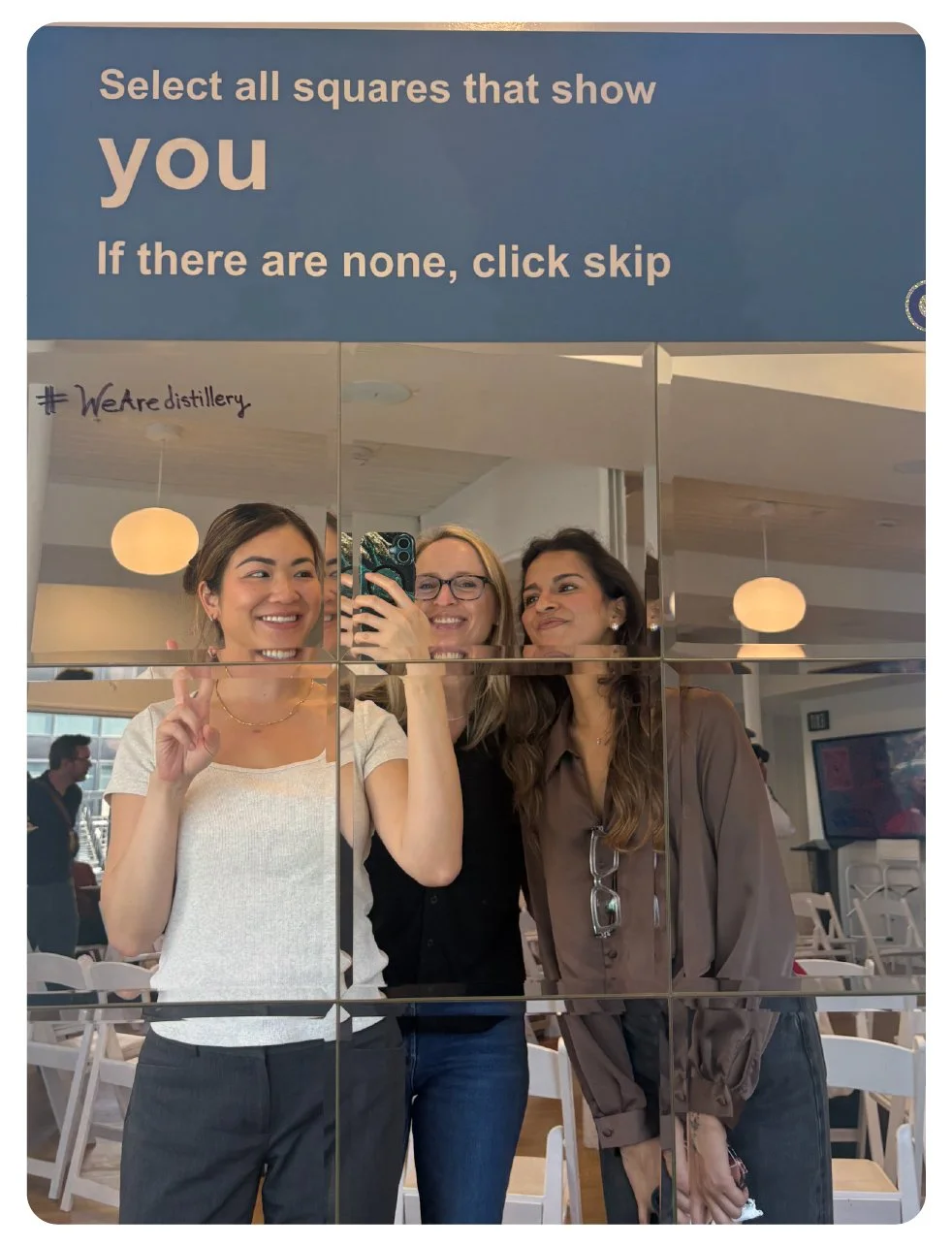
We had gathered aboard the historic Klamath in San Francisco on 6 October for distillery’s first SF Tech Week event, part of Australia House, hosted by the Australian American Chamber of Commerce San Francisco. Over lunch, six speakers explored a question we keep coming back to in our work: when everything can be generated, what makes it worth believing?
Their perspectives took us from cybersecurity to architecture, through gaming, journalism and the ways our minds work. For us, a concern emerged across those very different disciplines: in our enthusiasm to automate production, we risk giving away some of the human work that makes the result valuable.
The creative work starts before the output
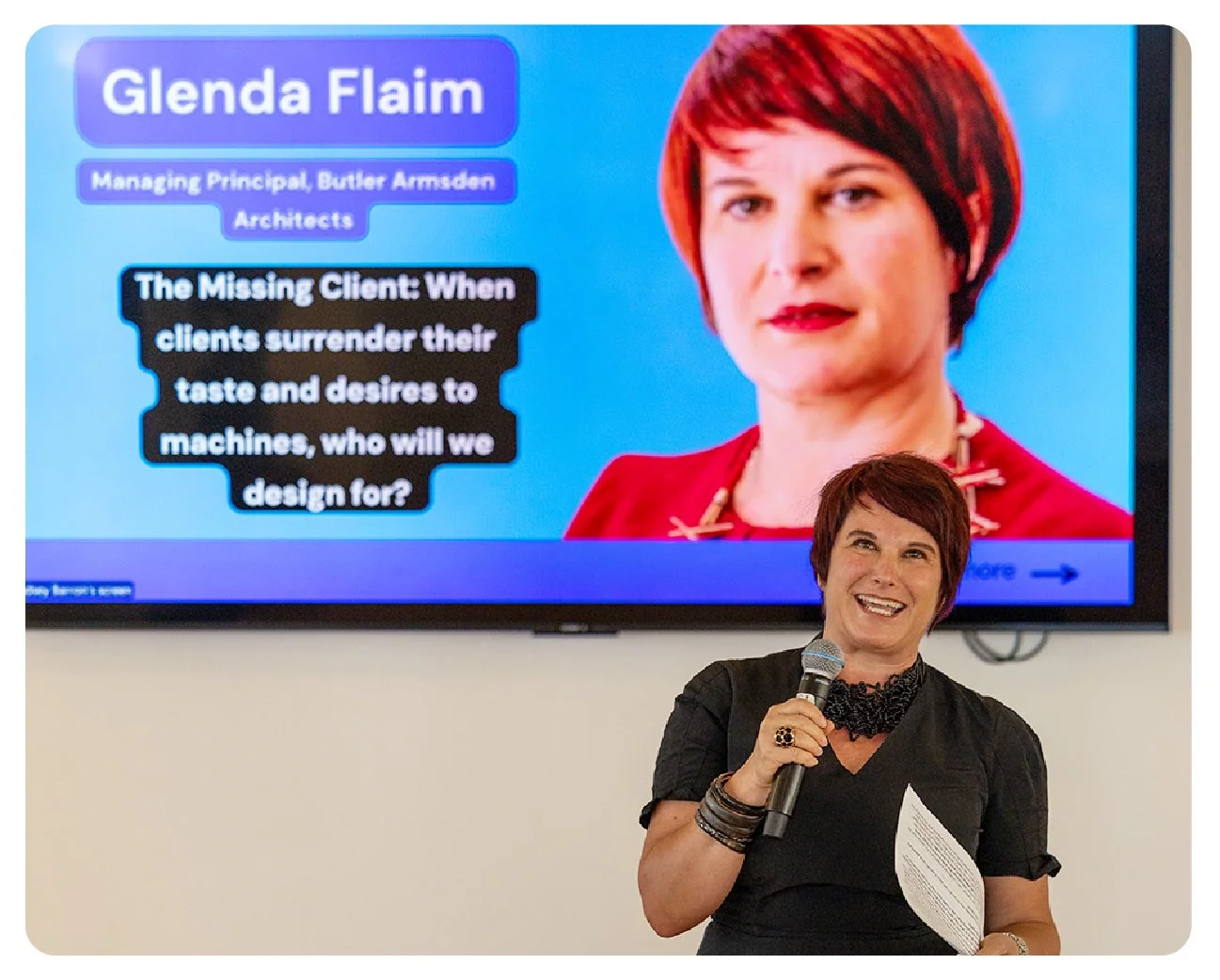
Architect Glenda Flaim, Managing Principal at Butler Armsden Architects, described a client who wanted to host world-class musicians in her living room. That ambition shaped the acoustics, materials and seating. Another couple wanted a sanctuary from their busy lives. Their home called for a meditation space opening onto a labyrinth.
These homes began with an understanding of the people who would live in them. Glenda’s concern was what happens when clients arrive with polished AI-generated mood boards that reveal very little about their own lives. A convincing image can make a project look resolved before anyone has done the difficult work of deciding what matters.
That question belongs in every creative brief. What does this brand believe? What has it experienced that a competitor has not? What does its audience actually need? AI can help explore the answers. Someone still has to care enough to choose, and to explain why.
Journalist and podcast producer Buffy Gorrilla offered a practical way into that work. A walk with her niece led to a conversation with someone working on a historic ship, and eventually a radio story. A passing comment from her running partner about a bee vaccine sent her out with recording equipment to find out more.
Her aim, she said, is to “be interested rather than interesting.”
For anyone telling customer stories, that is useful advice. Leave room for an unexpected answer. Ask about the difficult decision, the thing that almost went wrong or the moment someone changed their mind. Those details give another person something to recognise. A story becomes more distinctive when we pay closer attention to the person telling it.
Trust needs something people can check or experience
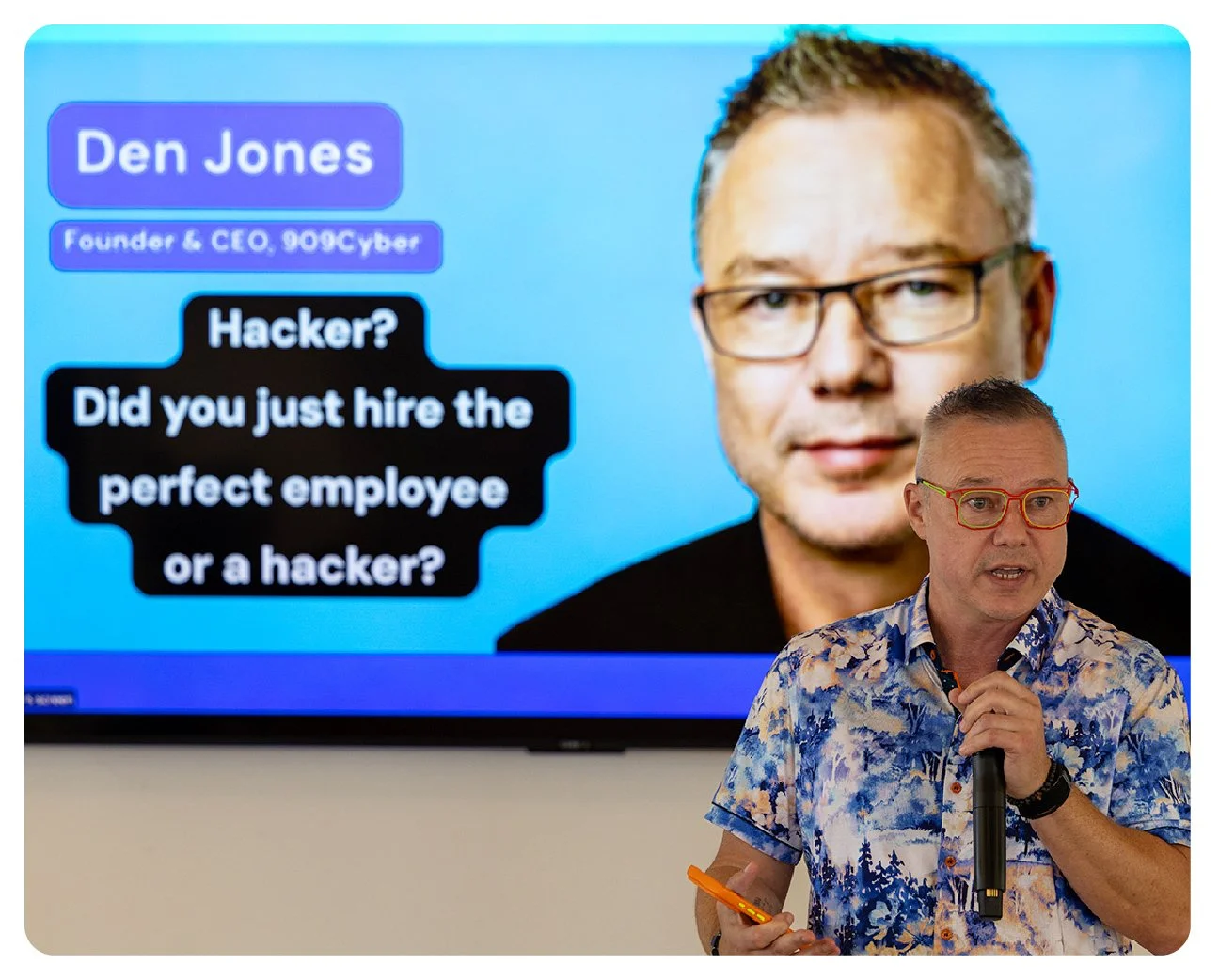
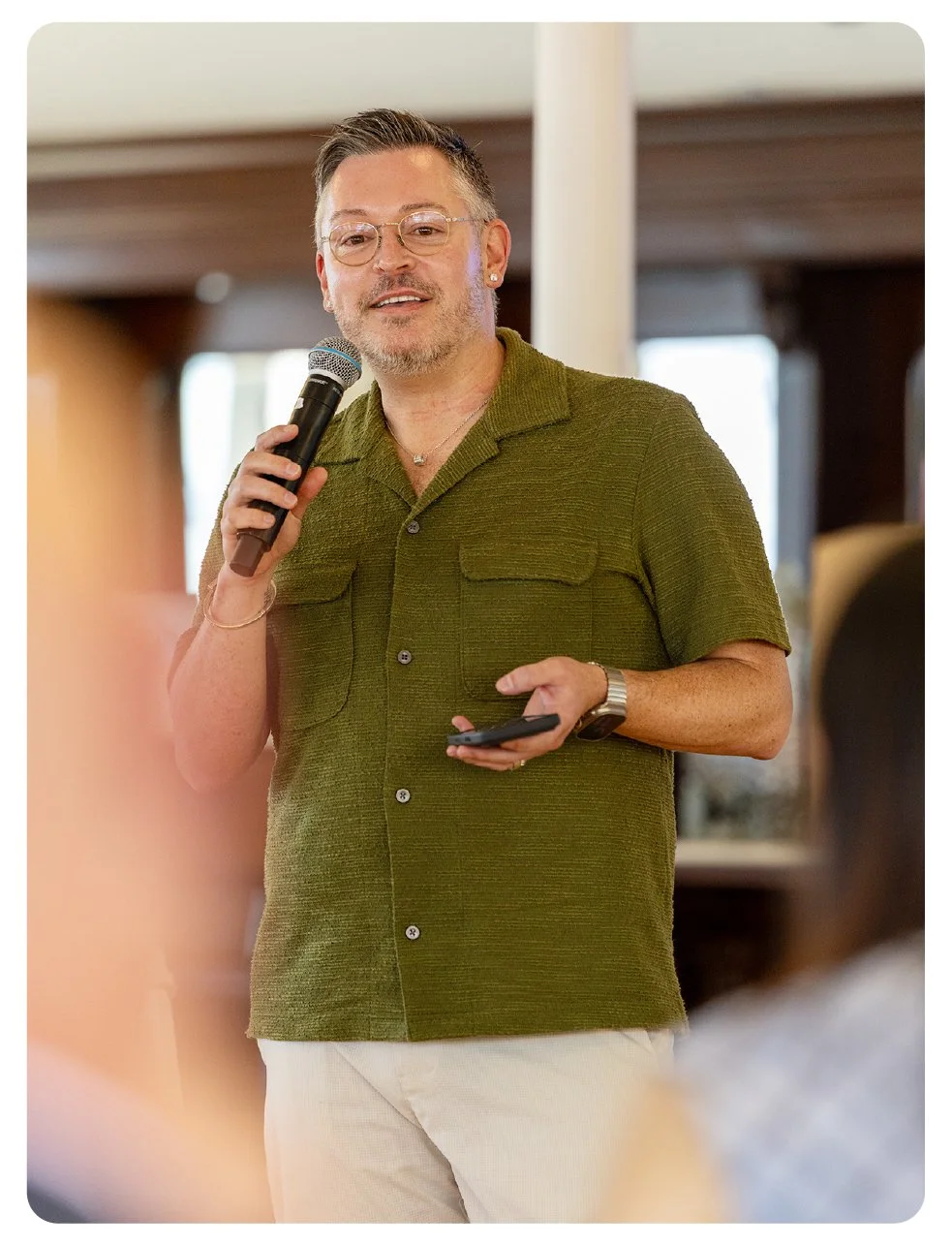
Den Jones, Founder and CEO of 909Cyber, brought a more unsettling perspective. He described how recruitment can become a route into a business for attackers, with false identities and convincing interviews exploiting an employer’s eagerness to fill a role.
His point about emotion was particularly uncomfortable. Excitement and urgency can make us accept what we want to be true. A candidate who appears to answer every need may also be the person we most need to question.
There is a lesson here for brands making ever more polished claims. Looking credible is an increasingly weak foundation for trust. We should make it easier for audiences to examine the evidence: who is speaking, what happened and what supports the result. In B2B marketing, a customer willing to describe their experience in specific terms gives a buyer something they can interrogate.
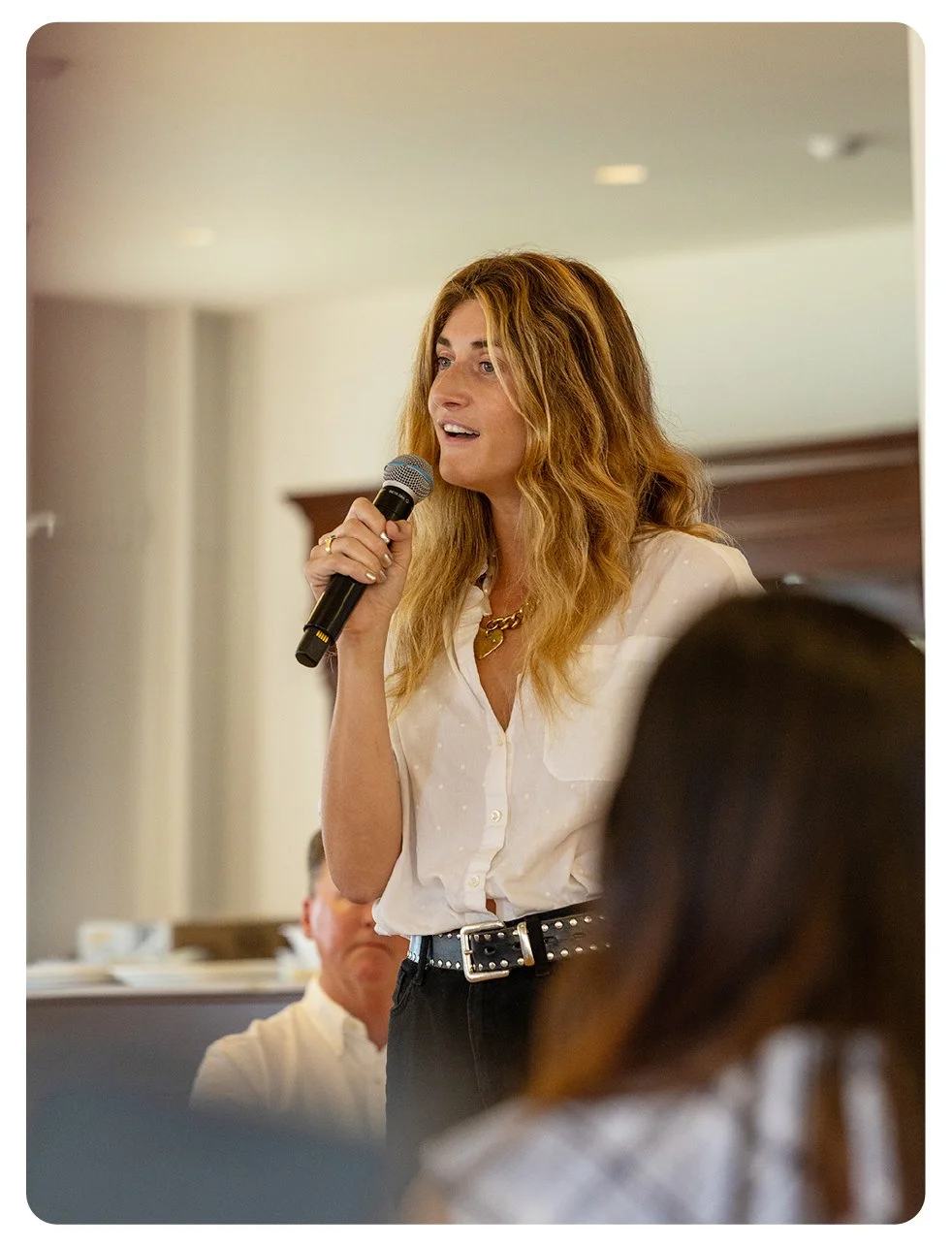
Jessica Murrey, CEO and Co-Founder of Wicked Saints Studios, explored trust through participation. In its game World Reborn, players take on quests that lead to action beyond the screen, including writing messages to children in hospital. Brands can support those actions and reward players for taking part.
Jessica described players who appreciated the absence of advertising while enjoying rewards from a brand. The brand had earned a useful role in something they wanted to do.
That invites a harder question than whether a campaign expresses the right values. What does it help someone do? For B2B brands, that might mean helping a customer teach their peers, sharing knowledge that solves a real problem or creating a community where people can contribute. Participation gives people an experience on which to base their opinion of us.
Different minds need room to contribute
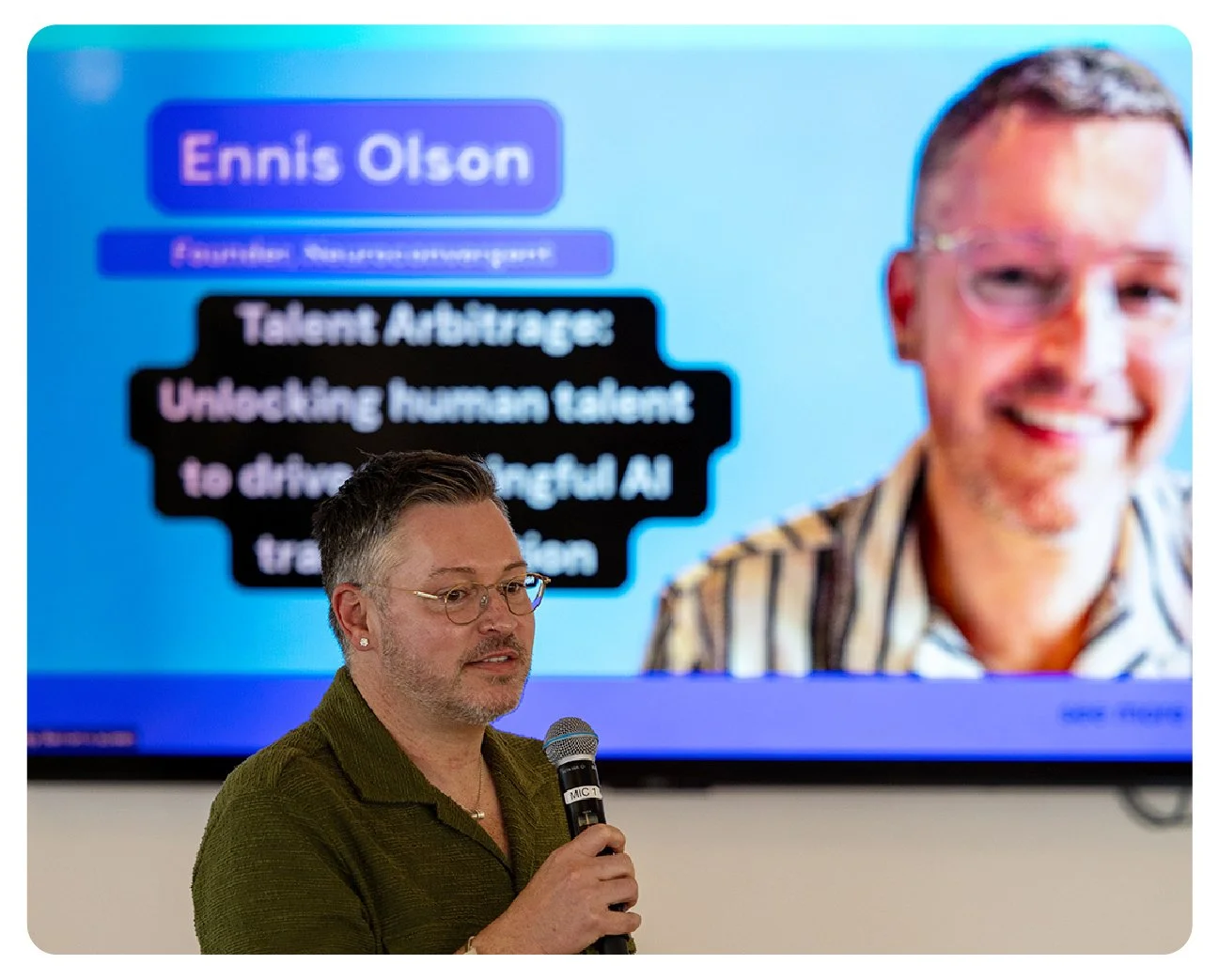
Ennis Olson, Founder of Neuroconvergent Leadership, asked businesses to look more closely at the talent already inside their teams. He argued that neurodivergent people whose ways of thinking have struggled to fit corporate conventions may bring valuable perspectives to AI transformation.
He grounded that argument in his own experience. Moving to a working day spent sitting in front of video calls removed the movement and habits that helped him think. The format of work had become an obstacle to doing it well.
His provocation asks something of leaders: before looking elsewhere for fresh thinking, consider whose ideas your working practices make difficult to hear. Could someone contribute more through a walking conversation, time to reflect or a different way of presenting their thinking?
For creative businesses, this matters to the quality of the work. If we value unusual connections and original perspectives, we need to give people more than one way to bring them into the room.
Deciding what to keep human
Rachel’s exercise brought us back to the room itself. Here was someone building with AI, using it every day and openly acknowledging that it had helped her prepare her talk. She also spoke about the intelligence involved in physical experience: reading another person, noticing a feeling and responding to the world around us.
She challenged the pressure to measure our worth against a machine’s productivity. Near the end of her talk, she questioned the premise of our event’s name: “I really don’t think that we need to prove our humanity to anyone, least of all to a machine.”
We were glad to have that challenge in the room. Proof of Human was an invitation to explore a difficult question, and that includes questioning the language we use to ask it.
At distillery, AI is changing how we make work. These conversations sharpened what we want to protect as it does: time spent understanding a customer, the judgement to challenge a generic brief and the responsibility to stand behind what we publish.
Those choices have practical consequences. They mean allowing an interview to go somewhere unexpected. Keeping a revealing detail in a customer story even when it complicates the narrative. Using time saved in production to spend longer with the people the work is meant to reach.
The next time we ask what AI can make for us, we should also ask what we need to bring to the work ourselves. We still have to decide what is worth saying, and give people a reason to believe it.
Thank you to our six speakers, everyone who joined us, and the Australian American Chamber of Commerce San Francisco for hosting Australia House.
If you’re thinking about how to build trust through your customer stories and brand experiences, we’d love to talk.